Symbols, Rituals, and Language: Gang Culture and Identity

oneli.org – Gang culture is a complex and multifaceted phenomenon that has evolved over decades, deeply rooted in the social, economic, and political landscapes of communities worldwide. At its core, gang culture is a means of establishing and maintaining identity, often in environments where traditional avenues of self-expression are limited. This article delves into the symbols, rituals, and language that are integral to gang culture, exploring how these elements contribute to the formation and perpetuation of gang identity.

Symbols of Gang Identity

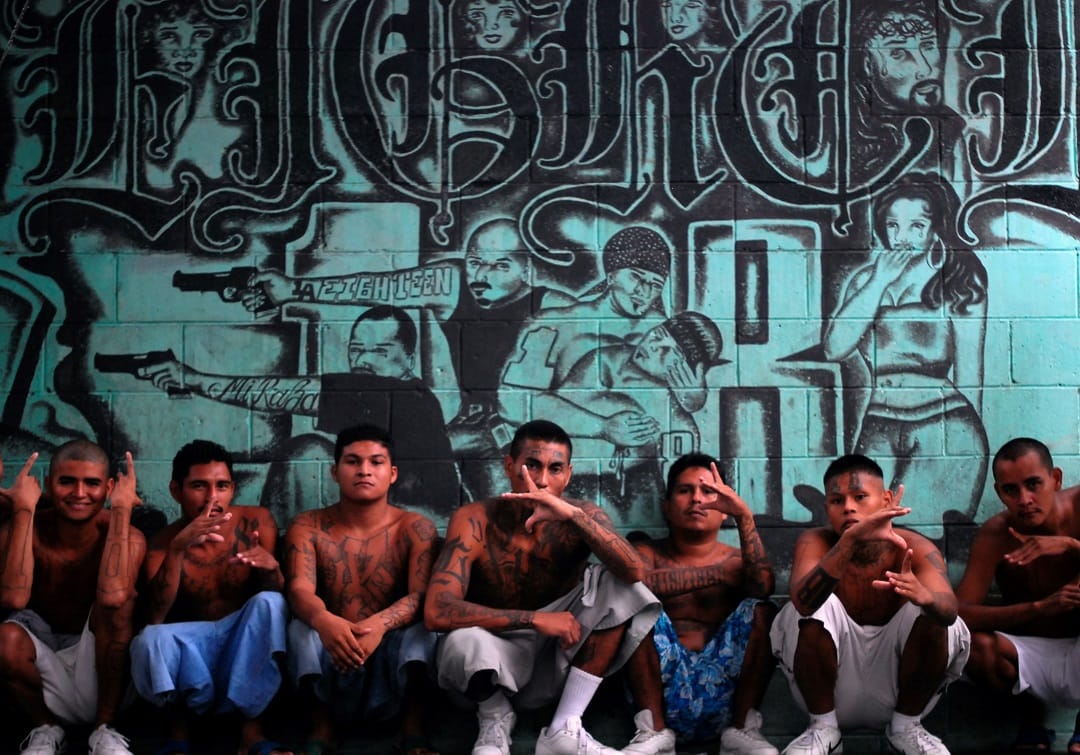
Symbols are a universal language, and in the realm of gang culture, they serve as powerful markers of affiliation and status. These symbols can be overt, such as colors, hand signs, and tattoos, or more subtle, like specific clothing brands or styles. Each symbol carries a distinct meaning within the gang’s hierarchy and can signify rank, territory, or allegiance.

  • Colors: Many gangs adopt specific colors as their emblem, with members wearing these colors to show solidarity and intimidate rivals.
  • Hand Signs: Gangs often use hand gestures to communicate, both within their group and to signal to outsiders. These signs can indicate gang affiliation, disrespect to rivals, or even specific commands.
  • Tattoos: Inked into the skin, tattoos are a permanent declaration of gang membership. They can depict gang names, symbols, or represent significant events or achievements within the gang.

Rituals: The Binding Force of Gang Life

Rituals play a crucial role in gang culture, providing a sense of belonging and reinforcing the group’s cohesion. These rituals can range from initiation ceremonies to regular meetings and celebrations. They are designed to instill loyalty, respect, and fear, both within the gang and in the broader community.

  • Initiation: Joining a gang is often marked by a rigorous initiation process, which can include acts of violence, theft, or other criminal activities. This rite of passage is meant to test the new member’s commitment and willingness to adhere to the gang’s code.
  • Meetings: Regular gatherings allow gang members to discuss business, settle disputes, and plan activities. These meetings are governed by strict protocols and are essential for maintaining order within the group.
  • Celebrations: Gangs may celebrate significant events, such as the release of a member from prison or the success of a criminal enterprise. These celebrations strengthen bonds and reaffirm the gang’s identity.

Language: The Code of the Streets

Language is a critical component of gang culture, serving as both a tool for communication and a barrier to outsiders. Gangs develop their own dialects, slang, and codes, which are essential for maintaining secrecy and solidarity.

  • Slang: Gang members often use slang that is incomprehensible to those outside the gang. This linguistic shorthand allows for quick and discreet communication.
  • Codes: Gangs may use codes in their communications to avoid detection by law enforcement. These codes can be numerical, alphabetic, or a combination of both.
  • Respect: Language in gang culture is heavily laden with notions of respect and disrespect. How something is said can be as important as what is said, and disrespect can lead to serious consequences.

Conclusion

Gang culture, with its intricate web of symbols, rituals, and language, is a testament to the human need for belonging and identity. While gangs are often associated with violence and crime, their cultural practices are a reflection of the complex social dynamics at play in marginalized communities. Understanding these elements is crucial for developing effective strategies to address gang-related issues and provide alternative pathways for individuals caught in the cycle of gang life.
Connected Generation: Technology Shapes New Age Relationships

oneli.org – In the digital age, technology has become an integral part of our lives, influencing every aspect, including how we form and maintain relationships. The rise of smartphones, social media, and dating apps has given birth to the “Connected Generation,” a demographic that relies heavily on technology for social interaction. This article explores how technology shapes new age relationships, examining both the positive and negative impacts on modern connectivity.

The Evolution of Social Interaction

From Face-to-Face to Screen-to-Screen

Traditional methods of meeting and dating have evolved. The Connected Generation prefers the convenience of swiping right or left over the anxiety of approaching someone in person. Social media platforms and messaging apps have become the new norm for staying in touch, often replacing face-to-face interactions with screen-to-screen communication.

The Role of Social Media in Building Relationships

Social media platforms like Facebook, Instagram, and Twitter have become essential tools for maintaining relationships. They allow friends and family to stay connected regardless of distance. However, the public nature of these platforms can also lead to issues of privacy and the pressure to present a curated version of one’s life.

The Impact of Dating Apps on Modern Romance

Swiping Culture and Instant Gratification

Dating apps have revolutionized the way people meet and form romantic relationships. The swiping culture promotes instant gratification, where potential partners are judged based on a few photos and a brief bio. This has led to a more disposable approach to dating, where genuine connections can be harder to establish.

The Paradox of Choice

With an abundance of potential partners at their fingertips, members of the Connected Generation face the paradox of choice. Having too many options can lead to indecisiveness and dissatisfaction, as individuals may constantly wonder if there is someone better just a swipe away.

The Challenges of Digital Communication

Misinterpretation and Miscommunication

Digital communication lacks the nuances of face-to-face interaction, such as body language and tone of voice. This can lead to misinterpretation and miscommunication, causing unnecessary conflicts within relationships.

The Impact of Constant Connectivity

The ability to be constantly connected can blur the boundaries between personal and social life. While it keeps relationships alive, it can also lead to feelings of pressure and the expectation of immediate responses, which can be overwhelming and stressful.

The Positive Influence of Technology on Relationships

Fostering Long-Distance Relationships

Technology has made it easier for couples in long-distance relationships to stay connected. Video calls, instant messaging, and social media allow partners to share their daily lives, reducing the sense of distance.

Enhancing Communication and Understanding

Apps and online platforms designed to improve communication and emotional intelligence can help couples navigate relationship challenges. These tools provide a structured way to express feelings and resolve conflicts, potentially strengthening the bond between partners.

Conclusion

The Connected Generation is navigating a complex landscape of relationships, where technology both facilitates and complicates social interactions. While it offers unprecedented opportunities for connection, it also presents unique challenges that require adaptation and mindfulness. As we continue to evolve with technology, it is crucial to balance the digital with the personal, ensuring that technology enhances our relationships rather than replaces the human touch that is essential to genuine connection.