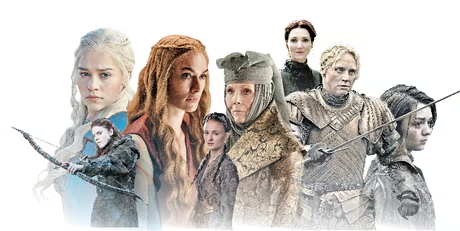
Women Who Wield Power: Venomous Vixens

oneli.org – In the annals of history and the realms of fiction, there exists a category of women often labeled as “Venomous Vixens.” These are women who, through their intelligence, cunning, and sometimes ruthlessness, have wielded power in ways that have left indelible marks on the world. They are queens, warriors, politicians, and business moguls who have navigated the often turbulent waters of power with a finesse and ferocity that has both inspired and intimidated. This article delves into the lives of some of these remarkable women, exploring the complexities of their characters and the legacies they have left behind.

Cleopatra VII: The Last Pharaoh of Egypt
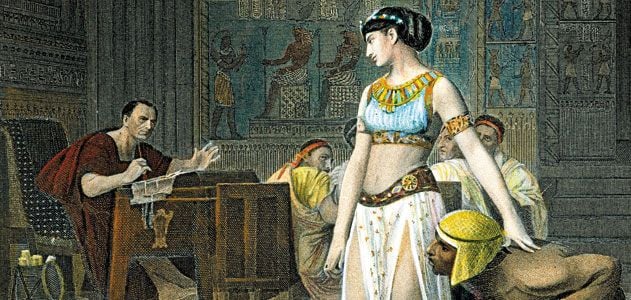
Rehabilitating Cleopatra | Smithsonian

Cleopatra is perhaps one of the most famous examples of a venomous vixen. As the last active ruler of the Ptolemaic Kingdom of Egypt, she was known for her political acumen, her relationships with Roman leaders Julius Caesar and Mark Antony, and her eventual suicide to avoid capture by Octavian. Cleopatra’s ability to navigate the treacherous waters of Roman politics and maintain her sovereignty over Egypt, albeit briefly, showcases her formidable intelligence and strategic prowess.

Boudica: The Warrior Queen of the Iceni
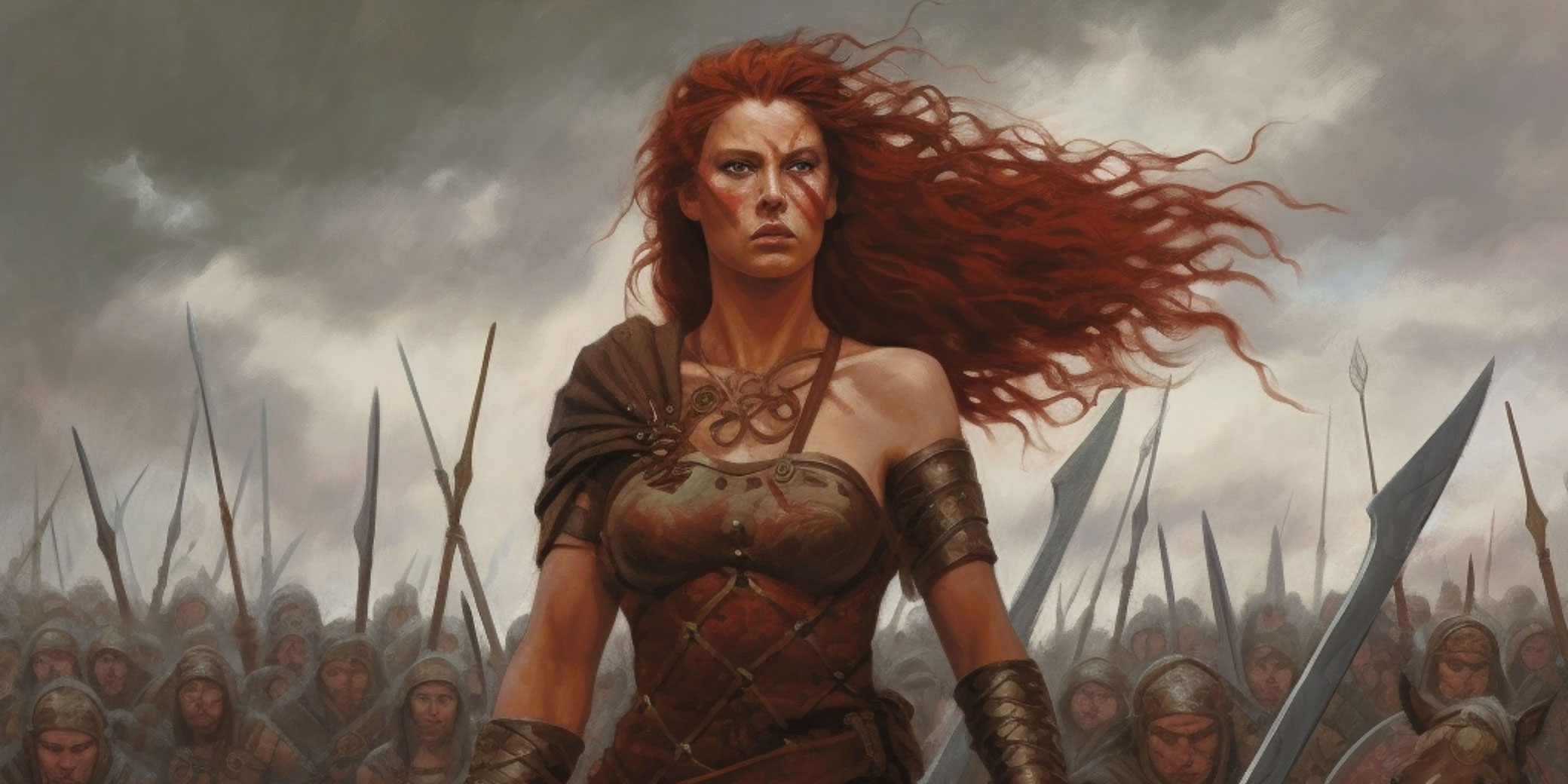
The harrowing reason that drove Boudica to rise up against the military  might of the Roman Empire - History Skills

Boudica, the queen of the British Iceni tribe, led an uprising against the occupying forces of the Roman Empire. After suffering personal tragedy at the hands of Roman officials, Boudica rallied her people and neighboring tribes to fight back. Her leadership and ferocity in battle, though ultimately unsuccessful, have made her a symbol of resistance and a powerful figure in British history.

Catherine the Great: Empress of Russia

Catherine The Great: True Story Of Her Rule, Husband, Affairs & Children |  HistoryExtra

Catherine the Great, born a German princess, rose to become the empress of Russia. Her reign was marked by significant reforms in education, agriculture, and the legal system. However, she was also known for her ruthless tactics in consolidating and maintaining her power, including the overthrow of her husband, Peter III. Catherine’s legacy is a testament to her ability to wield power effectively, albeit sometimes controversially.

Margaret Thatcher: The Iron Lady
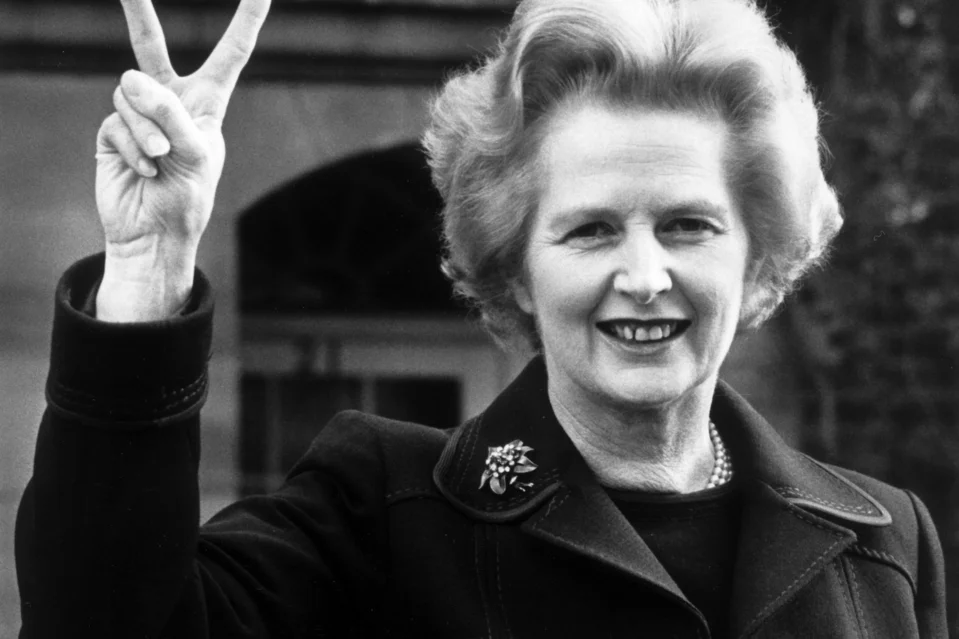
Margaret Thatcher: Britain Awake "Iron Lady" - 1976 — Speakola

Margaret Thatcher, the first female Prime Minister of the United Kingdom, earned the nickname “The Iron Lady” for her uncompromising politics and leadership style. Her tenure saw significant economic and social reforms, and she played a pivotal role in international relations during her time in office. Thatcher’s policies and personality polarized opinion, but her impact on British and global politics is undeniable.

Indira Gandhi: The Only Woman Prime Minister of India
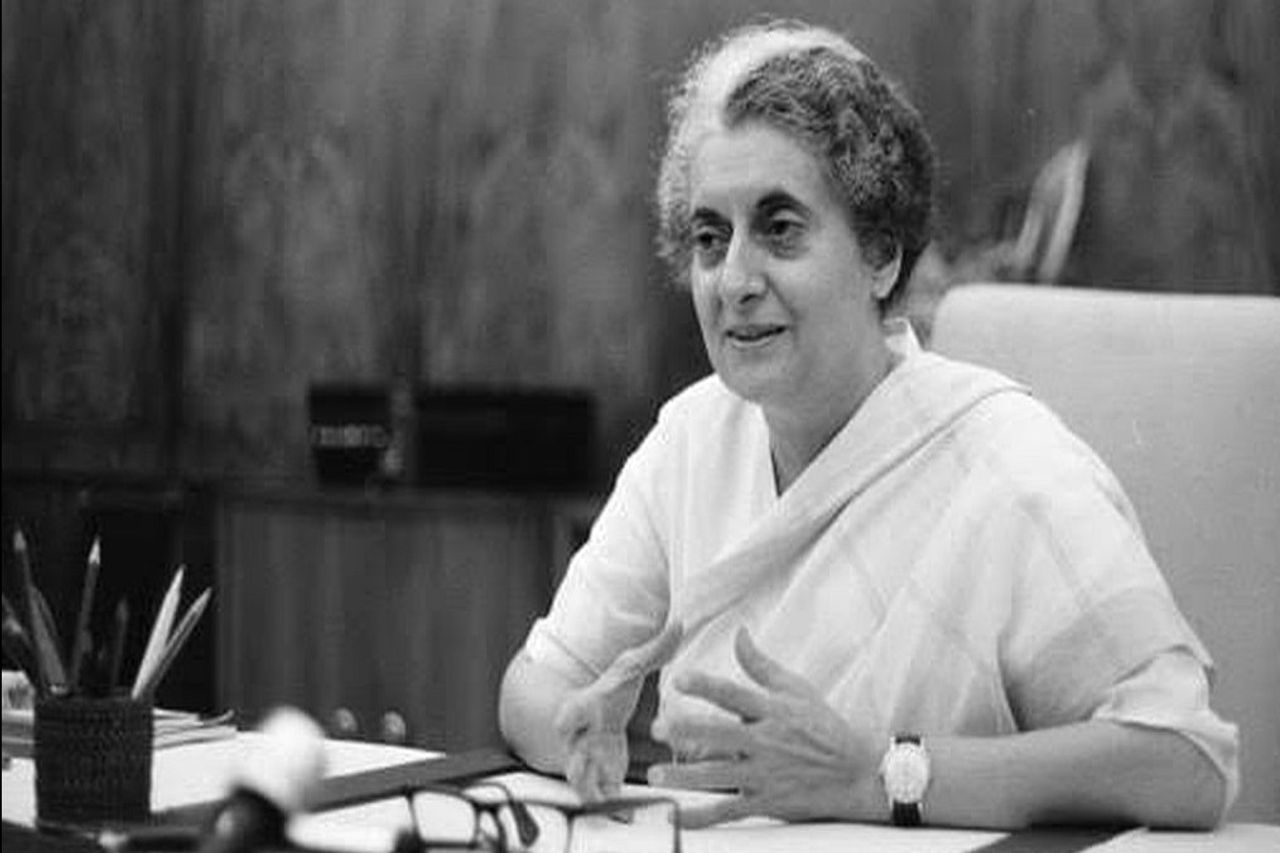
India's First Female Prime Minister Named Indira Gandhi

Indira Gandhi, the daughter of India’s first Prime Minister, Jawaharlal Nehru, became the only woman to serve as Prime Minister of India. Her leadership was marked by significant achievements, including the Green Revolution and India’s victory in the Bangladesh Liberation War. However, her tenure was also controversial, particularly during the Emergency period, showcasing her willingness to use authoritarian measures to maintain control.

Conclusion

The women known as “Venomous Vixens” are a diverse group, each with their own unique story of how they came to wield power. Their lives and legacies challenge the notion that power is the exclusive domain of men. While their methods and policies may be controversial, their achievements and the barriers they broke cannot be ignored. These women remind us that power, in whatever form it takes, requires intelligence, determination, and sometimes, a willingness to be ruthless. They are a testament to the complexity of power and the diverse ways in which it can be wielded.

The Hidden World of Female Victims: Silent Screams

In the shadow of our bustling, interconnected world, there exists a hidden realm of suffering, a place where the cries for help are often muffled and unheard. This is the world of female victims, a term that encompasses a wide range of experiences, from domestic violence and sexual assault to human trafficking and emotional abuse. These women are the bearers of silent screams, their voices suppressed by fear, stigma, and societal norms that have, for too long, silenced their pain.

The Prevalence of Silent Suffering

Statistics paint a grim picture of the reality faced by women around the globe. According to the World Health Organization, one in three women worldwide will experience either physical or sexual intimate partner violence in their lifetime. This staggering figure does not even account for the countless cases that go unreported, hidden by the veil of silence that often shrouds these issues.

The reasons behind this silence are complex and multifaceted. Many women fear retaliation from their abusers, while others are trapped by economic dependence or social pressures that glorify the family unit at the expense of individual well-being. Cultural norms and traditions in some societies further exacerbate the problem, placing the burden of shame on the victim rather than the perpetrator.

Breaking the Silence

Breaking the silence is the first step towards healing and empowerment for female victims. This process can be incredibly challenging, requiring not only courage but also access to support systems that can provide safety, legal assistance, and emotional support. Organizations and movements dedicated to women’s rights have played a pivotal role in creating platforms where these silent screams can be heard.

The #MeToo movement, for example, has been instrumental in bringing the issue of sexual harassment and assault into the public discourse, encouraging women to share their stories and find strength in solidarity. Similarly, shelters and hotlines for victims of domestic violence offer a lifeline to those trapped in abusive situations, providing them with the resources they need to rebuild their lives.

The Role of Society

Society has a critical role to play in addressing the hidden world of female victims. Education and awareness campaigns can challenge the stereotypes and misconceptions that perpetuate violence against women, while legal reforms can ensure that perpetrators are held accountable for their actions. It is also essential to support and fund organizations that work directly with victims, providing them with the necessary resources to heal and thrive.

Moreover, it is crucial to foster a culture of empathy and understanding, where victims feel safe to speak out without fear of judgment or retribution. This requires a collective effort to shift societal attitudes towards one of zero tolerance for violence against women.

Conclusion

The hidden world of female victims is a testament to the resilience of the human spirit in the face of unimaginable adversity. While the path to healing and justice is long and fraught with challenges, the journey begins with breaking the silence and acknowledging the pain that has been too long ignored. By standing together in support of these women, we can turn their silent screams into a powerful chorus for change, one that resonates with the promise of a world where every woman’s voice is heard and valued.