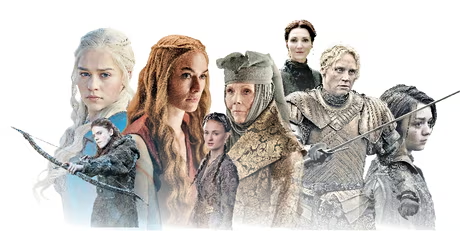
Women Who Wield Power: Venomous Vixens

oneli.org – In the annals of history and the realms of fiction, there exists a category of women often labeled as “Venomous Vixens.” These are women who, through their intelligence, cunning, and sometimes ruthlessness, have wielded power in ways that have left indelible marks on the world. They are queens, warriors, politicians, and business moguls who have navigated the often turbulent waters of power with a finesse and ferocity that has both inspired and intimidated. This article delves into the lives of some of these remarkable women, exploring the complexities of their characters and the legacies they have left behind.

Cleopatra VII: The Last Pharaoh of Egypt
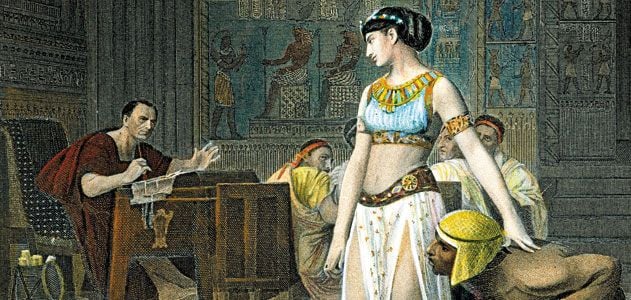
Rehabilitating Cleopatra | Smithsonian

Cleopatra is perhaps one of the most famous examples of a venomous vixen. As the last active ruler of the Ptolemaic Kingdom of Egypt, she was known for her political acumen, her relationships with Roman leaders Julius Caesar and Mark Antony, and her eventual suicide to avoid capture by Octavian. Cleopatra’s ability to navigate the treacherous waters of Roman politics and maintain her sovereignty over Egypt, albeit briefly, showcases her formidable intelligence and strategic prowess.

Boudica: The Warrior Queen of the Iceni

The harrowing reason that drove Boudica to rise up against the military  might of the Roman Empire - History Skills

Boudica, the queen of the British Iceni tribe, led an uprising against the occupying forces of the Roman Empire. After suffering personal tragedy at the hands of Roman officials, Boudica rallied her people and neighboring tribes to fight back. Her leadership and ferocity in battle, though ultimately unsuccessful, have made her a symbol of resistance and a powerful figure in British history.

Catherine the Great: Empress of Russia

Catherine The Great: True Story Of Her Rule, Husband, Affairs & Children |  HistoryExtra

Catherine the Great, born a German princess, rose to become the empress of Russia. Her reign was marked by significant reforms in education, agriculture, and the legal system. However, she was also known for her ruthless tactics in consolidating and maintaining her power, including the overthrow of her husband, Peter III. Catherine’s legacy is a testament to her ability to wield power effectively, albeit sometimes controversially.

Margaret Thatcher: The Iron Lady
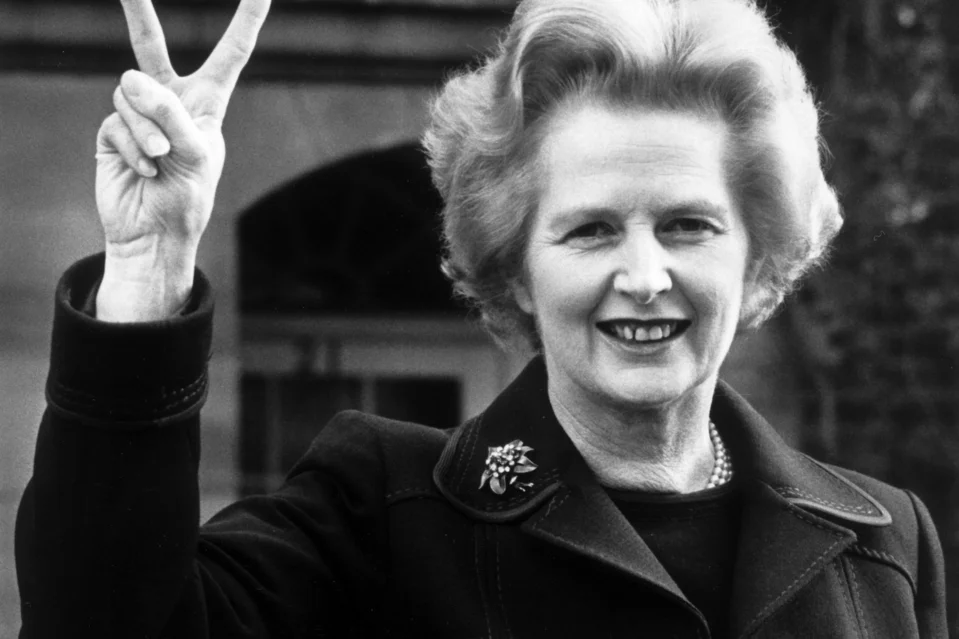
Margaret Thatcher: Britain Awake "Iron Lady" - 1976 — Speakola

Margaret Thatcher, the first female Prime Minister of the United Kingdom, earned the nickname “The Iron Lady” for her uncompromising politics and leadership style. Her tenure saw significant economic and social reforms, and she played a pivotal role in international relations during her time in office. Thatcher’s policies and personality polarized opinion, but her impact on British and global politics is undeniable.

Indira Gandhi: The Only Woman Prime Minister of India
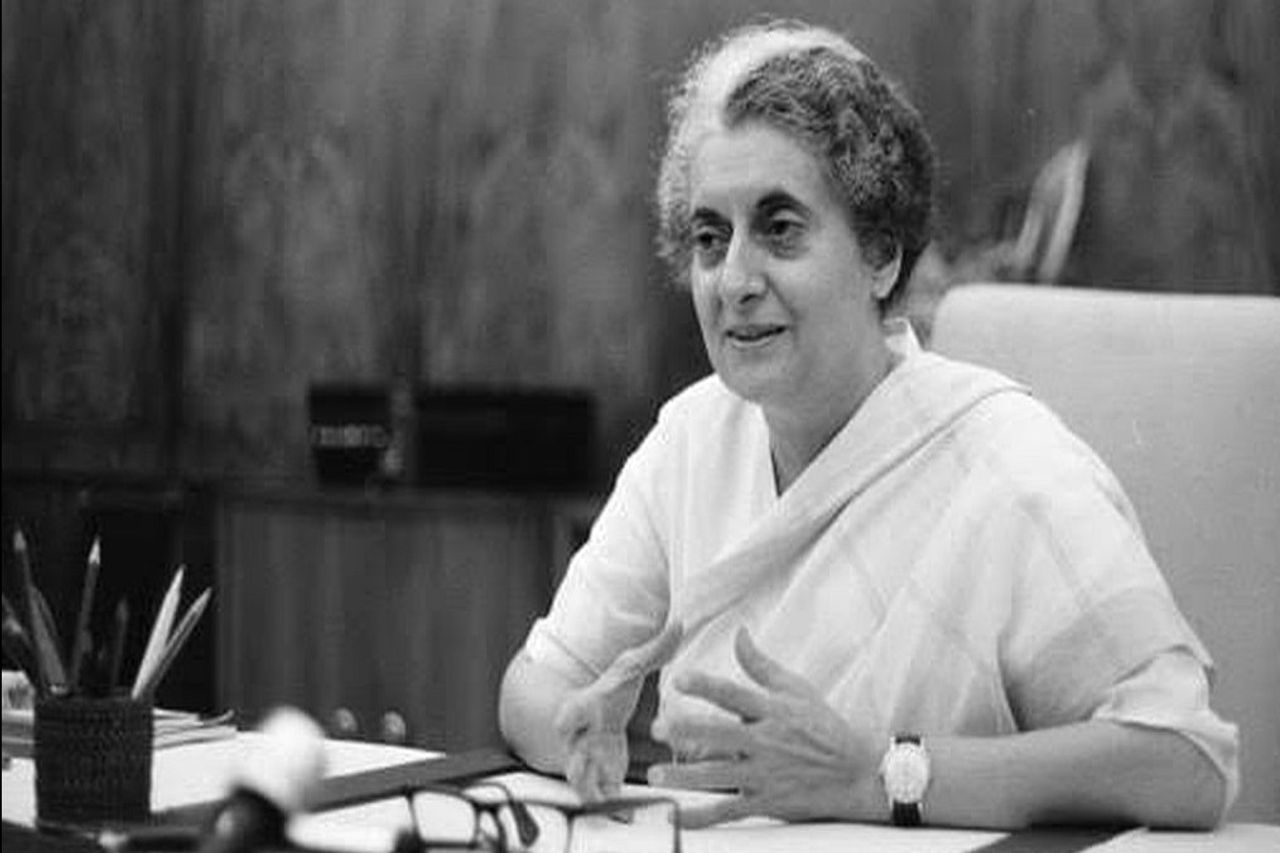
India's First Female Prime Minister Named Indira Gandhi

Indira Gandhi, the daughter of India’s first Prime Minister, Jawaharlal Nehru, became the only woman to serve as Prime Minister of India. Her leadership was marked by significant achievements, including the Green Revolution and India’s victory in the Bangladesh Liberation War. However, her tenure was also controversial, particularly during the Emergency period, showcasing her willingness to use authoritarian measures to maintain control.

Conclusion

The women known as “Venomous Vixens” are a diverse group, each with their own unique story of how they came to wield power. Their lives and legacies challenge the notion that power is the exclusive domain of men. While their methods and policies may be controversial, their achievements and the barriers they broke cannot be ignored. These women remind us that power, in whatever form it takes, requires intelligence, determination, and sometimes, a willingness to be ruthless. They are a testament to the complexity of power and the diverse ways in which it can be wielded.
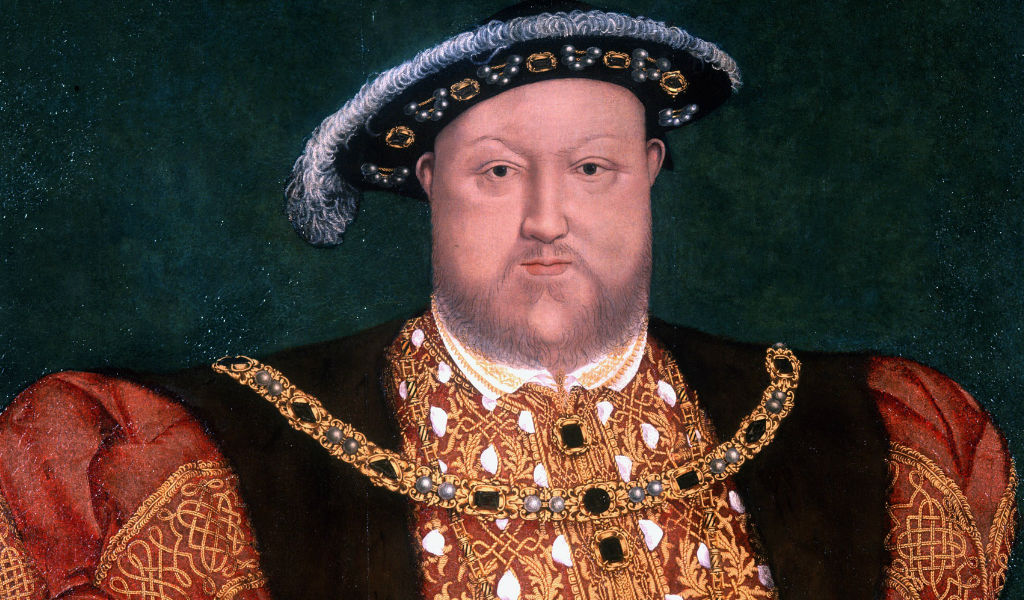
Power, Politics, and the English Reformation: King Henry VIII

oneli.org – King Henry VIII, the second Tudor monarch, is a towering figure in English history, renowned for his tumultuous reign, which spanned from 1509 to 1547. His rule was marked by dramatic shifts in power, sweeping political changes, and the initiation of the English Reformation, which would forever alter the religious landscape of England. Henry’s quest for a male heir, his break with the Roman Catholic Church, and his establishment of the Church of England, set the stage for centuries of religious and political upheaval.

Early Reign and the Quest for an Heir

Henry VIII ascended to the throne in 1509, a young and charismatic king who initially sought to rule with the support of his powerful nobles and the Church. His early years were marked by a desire to establish a stable dynasty, which necessitated a male heir. His marriage to Catherine of Aragon, his brother’s widow, was blessed with several children, but only one, Mary, survived infancy. As years passed without a male heir, Henry’s desperation grew, leading him to seek an annulment from Catherine to marry Anne Boleyn, who he believed would bear him a son.

The Break with Rome

The Pope’s refusal to grant the annulment pushed Henry to break with the Roman Catholic Church, a decision that had profound implications for England and the rest of Europe. In 1534, the Act of Supremacy declared Henry the Supreme Head of the Church of England, effectively separating the English Church from the authority of the Pope. This move was not merely a personal quest for a legitimate heir but a strategic political decision that centralized power in the monarchy and weakened the influence of the Catholic Church in England.

The English Reformation

The English Reformation, spurred by Henry’s break with Rome, was a complex and multifaceted movement. While Henry’s primary motive was personal and political, the Reformation also brought about significant religious changes. The dissolution of the monasteries, which began in 1536, saw the seizure of monastic lands and wealth, significantly enriching the Crown and the nobility. This move also weakened the Catholic Church’s hold on the populace, as monasteries were centers of religious and social life.

Despite these changes, Henry’s religious reforms were conservative compared to the Protestant Reformation on the continent. He rejected many of the theological tenets of Protestantism, such as the denial of the sacraments and the authority of the clergy. Instead, Henry sought to maintain traditional Catholic doctrine while asserting his own supremacy over the Church.

Power and Politics

Henry’s reign was characterized by his absolute authority and his willingness to use it ruthlessly. The introduction of the Reformation and the dissolution of the monasteries were accompanied by a campaign of terror against those who opposed the King’s will. Prominent figures, including Thomas More and Bishop John Fisher, were executed for refusing to accept the King’s supremacy over the Church.

Henry’s domestic policies were mirrored by his aggressive foreign policy, which sought to assert England’s power on the European stage. His reign saw England involved in several conflicts, including the Italian Wars and the ongoing rivalry with France and Spain. Despite these efforts, Henry’s foreign policy achievements were mixed, and his legacy in this area is less clear-cut than his domestic reforms.

Legacy

King Henry VIII’s reign left an indelible mark on English history. His quest for a male heir and his break with Rome led to the English Reformation, which transformed England’s religious and political landscape. Henry’s assertion of royal power over the Church laid the foundations for the modern British state, with a monarchy that was both head of state and head of the Church of England.

However, Henry’s legacy is also marked by controversy and contradiction. His reign was characterized by both innovation and conservatism, reform and repression. The English Reformation, while initiated by Henry, would be taken further by his children, Edward VI and Elizabeth I, leading to a more Protestant England.

In conclusion, King Henry VIII’s reign was a pivotal moment in English history, marked by dramatic shifts in power, politics, and religion. His legacy is a testament to the complex interplay between personal ambition, political strategy, and religious conviction, which together shaped the course of English history.