Top 10 Universitas Terbaik di Jepang untuk Pendidikan Internasional

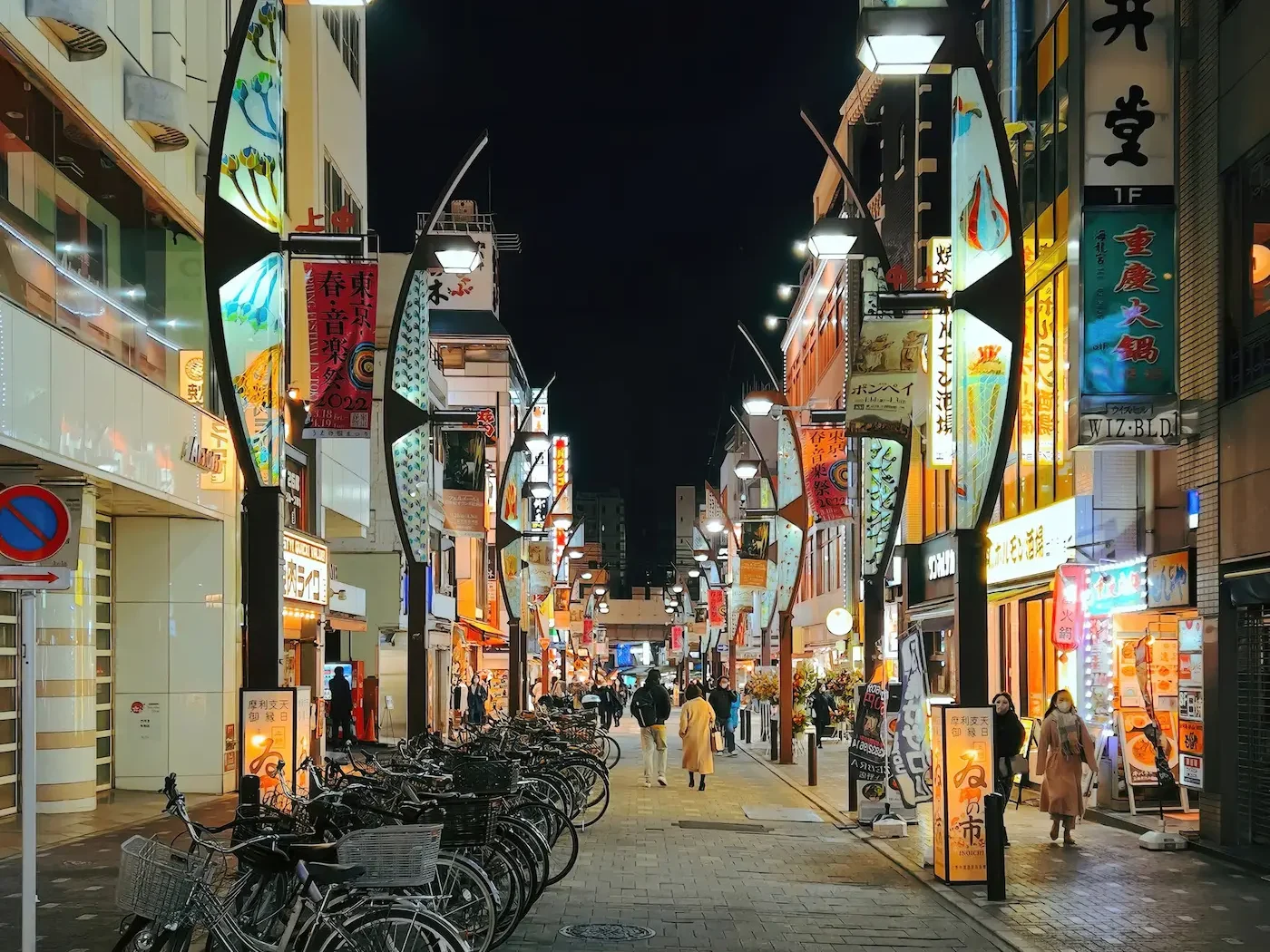
Jepang, dengan reputasinya sebagai negara maju yang mengutamakan teknologi dan inovasi, menjadi destinasi pilihan bagi banyak mahasiswa internasional. Selain kualitas pendidikannya yang tinggi, Jepang juga menawarkan berbagai program beasiswa dan fasilitas untuk mahasiswa asing. Berikut adalah daftar 10 universitas terbaik di Jepang yang dikenal memiliki pendidikan internasional yang unggul.

1. Universitas Tokyo (The University of Tokyo)

Sebagai universitas terbaik di Jepang, Universitas Tokyo atau yang dikenal dengan sebutan Todai, menawarkan pendidikan yang sangat bergengsi di dunia. Universitas ini memiliki berbagai program internasional yang menarik, terutama di bidang sains, teknologi, dan ilmu sosial. Program-programnya dalam bahasa Inggris menarik banyak mahasiswa dari seluruh dunia. Universitas Tokyo juga dikenal memiliki jaringan penelitian yang luas dan sering kali bekerja sama dengan universitas terkemuka di dunia.

2. Universitas Kyoto (Kyoto University)

Universitas Kyoto adalah universitas slot kedua terbaik di Jepang yang terkenal dengan kualitas pendidikannya dalam bidang riset dan inovasi. Kampus ini juga menawarkan sejumlah program pascasarjana dalam bahasa Inggris, termasuk di bidang sains, teknologi, dan ekonomi. Kyoto University terkenal karena atmosfer akademisnya yang kondusif dan banyaknya penghargaan Nobel yang diterima oleh fakultas dan alumni universitas ini.

3. Universitas Keio (Keio University)

Sebagai universitas swasta tertua di Jepang, Keio University memiliki reputasi internasional yang sangat kuat. Keio menawarkan berbagai program dalam bahasa Inggris untuk mahasiswa internasional, khususnya di bidang bisnis, hukum, dan ekonomi. Universitas ini juga terkenal dengan berbagai inisiatif dalam dunia teknologi dan kewirausahaan, yang memberikan kesempatan bagi mahasiswa untuk terlibat dalam proyek-proyek internasional.

4. Universitas Osaka (Osaka University)

Terletak di kota Osaka yang dinamis, universitas ini juga menawarkan kehidupan mahasiswa yang kaya dengan budaya Jepang.

5. Universitas Tohoku (Tohoku University)

Dikenal sebagai universitas dengan keunggulan dalam bidang teknik dan riset, Universitas Tohoku menawarkan sejumlah program internasional dalam berbagai disiplin ilmu, termasuk ilmu material, teknik, dan kedokteran. Kampus ini juga memiliki program pertukaran yang kuat dan hubungan yang erat dengan universitas-universitas di luar negeri. Reputasi universitas ini di bidang penelitian sangat dihargai, menjadikannya pilihan utama bagi mahasiswa internasional yang ingin berfokus pada riset dan inovasi.

6. Universitas Waseda (Waseda University)

Waseda University adalah salah satu universitas swasta paling terkenal di Jepang dan memiliki sejarah panjang dalam mendidik mahasiswa internasional. Universitas ini menawarkan berbagai program dalam bahasa Inggris di tingkat sarjana dan pascasarjana, terutama di bidang ilmu sosial, seni, dan ilmu politik. Waseda juga memiliki berbagai fakultas dan departemen yang sangat mendukung mobilitas internasional, serta kegiatan ekstrakurikuler yang memungkinkan mahasiswa untuk berinteraksi dengan budaya Jepang.

7. Universitas Hitotsubashi (Hitotsubashi University)

Terkenal sebagai universitas dengan spesialisasi dalam bidang ekonomi dan bisnis, Universitas Hitotsubashi menarik banyak mahasiswa internasional yang tertarik untuk mengejar karir di dunia bisnis global. Universitas ini menawarkan berbagai program dalam bahasa Inggris di tingkat pascasarjana, khususnya di bidang manajemen, ekonomi internasional, dan keuangan. Dengan kemitraan yang luas dengan universitas-universitas dunia, Hitotsubashi menjadi pilihan utama bagi mahasiswa internasional yang ingin mengembangkan karir mereka dalam dunia bisnis global.

8. Universitas Hokkaido (Hokkaido University)

Hokkaido University menawarkan berbagai program internasional yang menarik di bidang teknik, ilmu alam, dan ilmu kehidupan. Terletak di kota Sapporo yang indah, universitas ini juga terkenal dengan suasana kampus yang tenang dan mendukung studi. Hokkaido University memiliki program beasiswa untuk mahasiswa internasional dan berfokus pada pencapaian riset global dalam berbagai disiplin ilmu.

9. Universitas Chuo (Chuo University)

Chuo University adalah salah satu universitas swasta yang sangat diakui di Jepang, khususnya di bidang hukum, bisnis, dan ekonomi. Universitas ini menawarkan berbagai program internasional yang menarik bagi mahasiswa asing yang ingin mengembangkan karir di sektor hukum atau bisnis. Selain kualitas akademik yang tinggi, Chuo juga memiliki lingkungan kampus yang modern dan fasilitas yang mendukung kehidupan mahasiswa internasional.

10. Universitas Tsukuba (University of Tsukuba)

Dengan berbagai program yang berfokus pada pengembangan inovasi dan riset internasional, universitas ini menjadi pilihan bagi mahasiswa yang ingin mengembangkan karir internasional mereka di Jepang.

Kesimpulan

Jepang menawarkan berbagai pilihan universitas dengan pendidikan berkualitas tinggi untuk mahasiswa internasional. Dari universitas negeri yang sangat terkenal seperti Universitas Tokyo dan Kyoto, hingga universitas swasta terkemuka seperti Keio dan Waseda, mahasiswa internasional memiliki banyak kesempatan untuk mendapatkan pendidikan yang sangat baik di Jepang. Selain fasilitas pendidikan yang lengkap, universitas-universitas ini juga menyediakan program-program beasiswa dan jaringan internasional yang dapat membantu mahasiswa internasional berkembang dalam karir mereka.
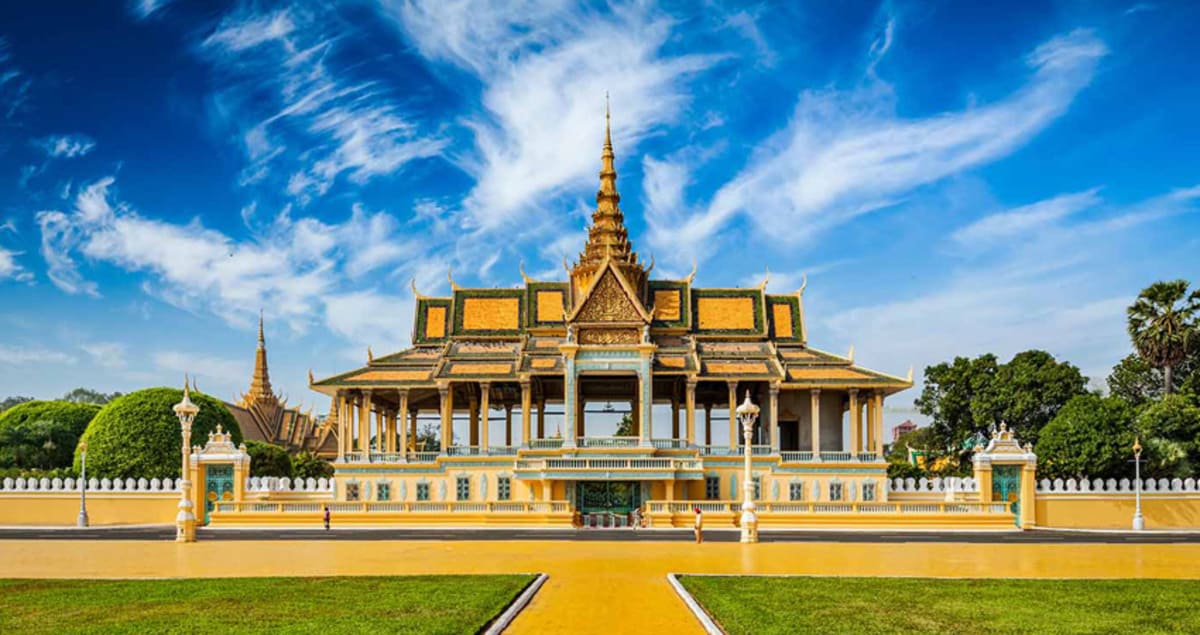
Kamboja dan Inisiatif Pelestarian Lingkungan Hidup

oneli – Kamboja, negara yang terletak di Asia Tenggara, dikenal karena kekayaan budaya, sejarah, dan keindahan alamnya. Dari kuil Angkor Wat yang megah hingga hutan tropis yang rimbun, Kamboja memiliki banyak sumber daya alam yang berharga. Namun, seperti banyak negara lainnya, Kamboja menghadapi tantangan serius dalam menjaga kelestarian lingkungan hidup. Dalam beberapa tahun terakhir, berbagai inisiatif pelestarian lingkungan hidup telah diluncurkan untuk melindungi ekosistem dan keberlanjutan sumber daya alam negara ini.

Kamboja memiliki keanekaragaman hayati yang sangat kaya, dengan berbagai spesies flora dan fauna yang endemik. Namun, eksploitasi sumber daya alam yang berlebihan, deforestasi, dan perubahan iklim telah mengancam lingkungan hidup. Hutan hujan Kamboja mengalami penurunan luas yang signifikan akibat pembalakan liar, konversi lahan untuk pertanian, dan urbanisasi.

Sungai Mekong, yang mengalir melalui Kamboja, juga menghadapi masalah pencemaran dan pengurangan aliran akibat pembangunan bendungan di hulu sungai. Dampak dari penurunan kualitas air dan habitat sungai dapat berakibat fatal bagi kehidupan masyarakat yang bergantung pada sumber daya perairan.

Inisiatif Pelestarian Lingkungan Hidup

1. Konservasi Hutan dan Keanekaragaman Hayati

Kamboja telah meluncurkan beberapa program untuk melestarikan hutan dan keanekaragaman hayatinya. Salah satunya adalah pembentukan kawasan konservasi yang meliputi taman nasional dan suaka margasatwa. Taman Nasional Cardamom, misalnya, merupakan salah satu area terpenting untuk perlindungan flora dan fauna. Melalui program konservasi, Kamboja berusaha melindungi spesies yang terancam punah, seperti harimau, gajah, dan berbagai spesies burung.

2. Pengelolaan Sumber Daya Perairan

Untuk mengatasi masalah pencemaran dan penurunan kualitas air di sungai Mekong, pemerintah Kamboja bekerja sama dengan organisasi internasional untuk meningkatkan pengelolaan sumber daya perairan. Inisiatif ini melibatkan pemantauan kualitas air, pengelolaan limbah, dan pendidikan masyarakat tentang pentingnya menjaga kebersihan lingkungan. Program-program ini bertujuan untuk melindungi ekosistem perairan dan memastikan ketersediaan air bersih bagi masyarakat.

3. Pertanian Berkelanjutan

Pertanian merupakan sektor penting bagi perekonomian Kamboja. Oleh karena itu, pemerintah dan organisasi non-pemerintah mendorong praktik pertanian berkelanjutan untuk mengurangi dampak negatif terhadap lingkungan. Inisiatif ini mencakup penggunaan pupuk organik, teknik irigasi efisien, dan pengurangan penggunaan pestisida berbahaya. Dengan cara ini, diharapkan hasil pertanian dapat meningkat tanpa merusak ekosistem.

4. Pendidikan dan Kesadaran Lingkungan

Salah satu kunci keberhasilan pelestarian lingkungan hidup adalah pendidikan dan kesadaran masyarakat. Berbagai program pendidikan lingkungan telah diluncurkan di sekolah-sekolah dan komunitas untuk meningkatkan pemahaman tentang pentingnya menjaga lingkungan. Kegiatan seperti penanaman pohon, pembersihan lingkungan, dan kampanye pengurangan sampah plastik telah melibatkan partisipasi aktif masyarakat.

Kamboja menghadapi tantangan besar dalam menjaga kelestarian lingkungan hidupnya, tetapi berbagai inisiatif pelestarian yang sedang dilakukan menunjukkan adanya komitmen untuk melindungi kekayaan alam dan budaya negara ini. Dengan kolaborasi antara pemerintah, organisasi non-pemerintah, dan masyarakat, situs slot kamboja berpotensi untuk mencapai keberlanjutan dan melestarikan lingkungan hidup bagi generasi mendatang. Dukungan dan kesadaran masyarakat adalah kunci untuk mewujudkan visi ini, agar Kamboja tetap menjadi negara yang kaya akan budaya dan keindahan alam.

Tempat Wisata Terpopuler di Kamboja: Apa yang Harus Anda Kunjungi?

oneli – Kamboja, negara yang terletak di Asia Tenggara, dikenal dengan sejarahnya yang kaya, budaya yang beragam, dan keindahan alam yang memukau. Dari reruntuhan kuno hingga pantai yang menakjubkan, Kamboja menawarkan berbagai tempat wisata yang menarik. Berikut adalah beberapa tempat wisata terpopuler di Kamboja yang harus Anda kunjungi.

1. Angkor Wat

Angkor Wat adalah kuil terbesar di dunia dan merupakan simbol Kamboja. Dibangun pada abad ke-12, kuil ini merupakan bagian dari kompleks Angkor yang lebih luas, yang mencakup banyak kuil dan reruntuhan kuno lainnya.

  • Menjelajahi arsitektur dan relief yang menakjubkan.
  • Menyaksikan matahari terbit atau terbenam di Angkor Wat.
  • Mengunjungi kuil-kuil lain di sekitar, seperti Bayon dan Ta Prohm.

2. Phnom Penh

Ibu kota Kamboja, Phnom Penh, adalah pusat budaya dan sejarah. Kota ini memiliki banyak museum, monumen, dan pasar tradisional yang menarik.

  • Mengunjungi Museum Genosida Tuol Sleng dan Killing Fields untuk memahami sejarah Kamboja.
  • Menjelajahi Istana Kerajaan dan Silver Pagoda.
  • Berbelanja di Pasar Sentral dan Pasar Rusia.

3. Siem Reap

Siem Reap adalah pintu gerbang menuju Angkor Wat dan menjadi salah satu destinasi wisata terpopuler di Kamboja. Kota ini menawarkan berbagai akomodasi, restoran, dan hiburan.

  • Mengikuti tur sepeda atau tuk-tuk untuk menjelajahi Angkor.
  • Mencicipi masakan lokal di pasar malam Siem Reap.
  • Menyaksikan pertunjukan budaya Apsara.

4. Sihanoukville

Sihanoukville adalah kota pantai yang terkenal dengan keindahan lautnya. Destinasi ini menawarkan pantai-pantai yang indah dan suasana yang santai.

  • Berenang dan bersantai di Pantai Serendipity dan Pantai Otres.
  • Mengambil perahu ke pulau-pulau terdekat, seperti Koh Rong dan Koh Rong Samloem.
  • Menikmati makanan laut segar di restoran pinggir pantai.

5. Kep

Kep adalah kota kecil yang terkenal dengan pemandangan pantainya yang menawan dan kebun lada yang terkenal. Tempat ini ideal untuk pelancong yang mencari ketenangan.

  • Mengunjungi Pulau Koh Tonsay (Pulau Kelinci) untuk bersantai di pantai.
  • Menjelajahi kebun lada di sekitar Kep.
  • Mencicipi kepiting Kep yang terkenal di restoran lokal.

6. Battambang

Battambang adalah kota kedua terbesar di Kamboja, terkenal dengan arsitektur kolonial Prancis dan kebudayaan lokal yang kaya.

  • Mengunjungi kuil-kuil dan situs sejarah, seperti Wat Banan dan Wat Ek Phnom.
  • Menyaksikan pertunjukan seni tradisional Kamboja.
  • Menikmati pengalaman kereta bambu, transportasi unik yang menawarkan pemandangan pedesaan.

7. Tonle Sap

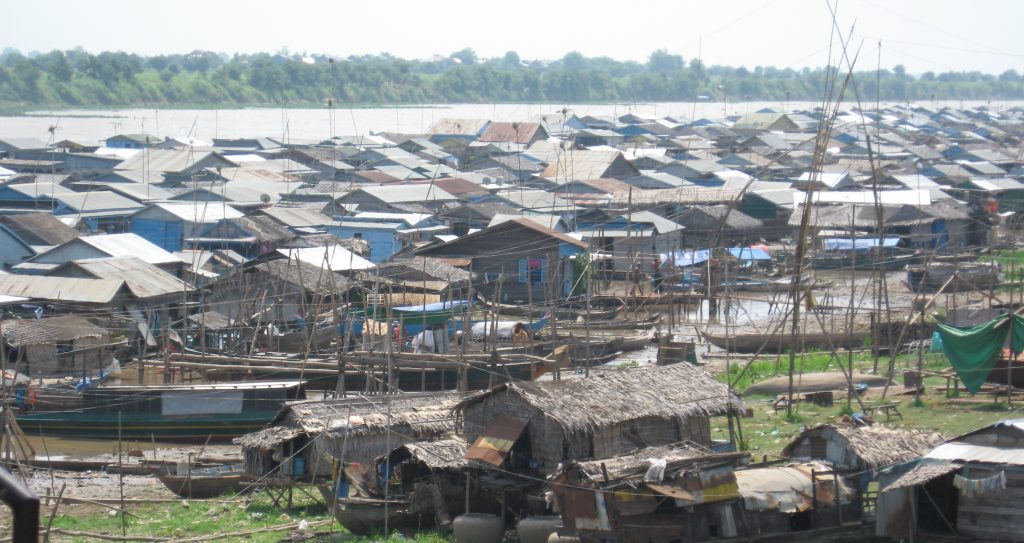
Danau Tonle Sap adalah danau terbesar di Asia Tenggara dan menjadi rumah bagi banyak desa apung. Danau ini memiliki ekosistem yang kaya dan merupakan sumber kehidupan bagi banyak penduduk setempat.

  • Menyewa perahu untuk menjelajahi desa apung, seperti Kampong Phluk dan Kampong Khleang.
  • Mengamati kehidupan sehari-hari penduduk lokal di atas air.
  • Menikmati pemandangan matahari terbenam yang indah di danau.

kamboja slot adalah destinasi wisata yang menawarkan pengalaman unik dan menarik bagi setiap pengunjung. Dari keajaiban sejarah Angkor Wat hingga keindahan pantai di Sihanoukville, setiap tempat memiliki pesonanya sendiri. Jangan lupa untuk mencicipi masakan lokal dan berinteraksi dengan penduduk setempat untuk mendapatkan pengalaman yang lebih mendalam. Siapkan rencana perjalanan Anda dan nikmati keindahan Kamboja!

A Journey Through Time: Castles of Romania

oneli.org – Romania, a country rich in history and culture, is home to some of the most enchanting castles in Europe. These architectural marvels are not just relics of the past; they are living museums that tell the story of Romania’s tumultuous history, from medieval times to the modern era. Each castle has its own unique charm and history, making them must-visit destinations for travelers seeking to immerse themselves in the country’s past.

Bran Castle: The Legendary Home of Dracula

Perhaps the most famous of Romania’s castles is Bran Castle, nestled in the Carpathian Mountains. Commonly associated with Bram Stoker’s Dracula, Bran Castle has become a symbol of Romania’s dark and mysterious past. However, the castle’s history is far more complex than the legend of Dracula. Originally built in the 14th century as a defense against Ottoman invasions, Bran Castle has served as a customs post, a summer residence for the royal family, and even a refuge for Queen Marie during World War I.

Peleș Castle: A Fairytale in the Carpathians

A stark contrast to the Gothic allure of Bran, Peleș Castle is a fairytale-like structure that embodies the opulence of the late 19th century. Commissioned by King Carol I, Peleș Castle is a masterpiece of German neo-Renaissance architecture, featuring intricate woodcarvings, stained glass windows, and a vast collection of art and artifacts from around the world. The castle’s lavish interiors and stunning natural surroundings make it one of the most visited landmarks in Romania.

Corvin Castle: A Fortress of Legends

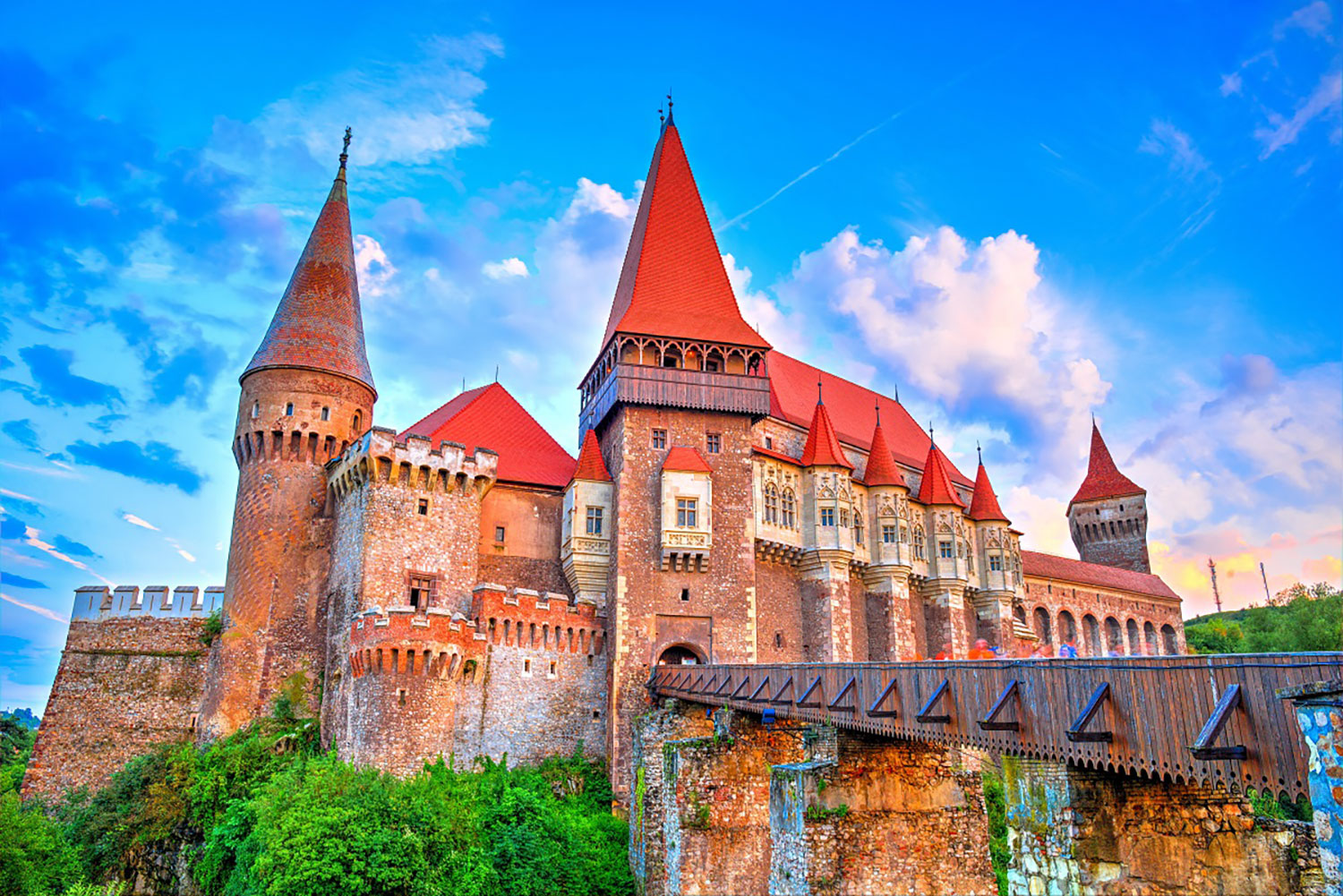
Corvin Castle, also known as Hunedoara Castle, is one of the largest and most impressive castles in Romania. Built in the 15th century by John Hunyadi, a hero of Christian Europe, the castle is a blend of Gothic and Renaissance architecture. It has served as a fortress, a prison, and a palace. The castle’s history is filled with legends of battles, treasures, and even ghosts, making it a fascinating site for history buffs and enthusiasts of the supernatural.

The Royal Palace of Bucharest: A Symbol of Resilience

The Royal Palace of Bucharest, now home to the National Art Museum of Romania, stands as a testament to the city’s resilience. Originally built in the late 17th century, the palace has been destroyed and rebuilt several times, reflecting the tumultuous history of Bucharest. Today, the palace’s majestic facade and rich collections of Romanian and European art invite visitors to explore the cultural heritage of Romania.

Exploring the Past and Present

Visiting the castles of Romania is not just about stepping back in time; it’s also about witnessing how these historical sites have been preserved and adapted for the modern world. Many of these castles have been restored to their former glory and now serve as museums, cultural centers, and even luxury hotels. They offer a glimpse into the lives of Romania’s rulers, the challenges they faced, and the legacy they left behind.

As you wander through the halls of these magnificent structures, you’ll be transported to a different era, where every stone, every painting, and every piece of furniture tells a story. The castles of Romania are not just monuments to the past; they are bridges connecting us to the history, culture, and spirit of a country that has much to offer to those willing to explore its depths.

Whether you’re drawn to the Gothic charm of Bran, the fairytale splendor of Peleș, the legendary tales of Corvin, or the cultural treasures of the Royal Palace of Bucharest, the castles of Romania promise an unforgettable journey through time.

Syria: The Humanitarian Crisis and Its Impact on Safety

oneli.org – The Syrian conflict, which began in 2011, has evolved into one of the most devastating humanitarian crises of the 21st century. The crisis has had a profound impact on the safety and security of millions of Syrians, both within the country and in neighboring regions. This article explores the multifaceted dimensions of the humanitarian crisis in Syria and its far-reaching consequences on the safety of individuals, communities, and the broader region.

The Origins of the Syrian Humanitarian Crisis

The roots of the Syrian crisis can be traced back to the Arab Spring, a series of anti-government protests that swept across the Middle East and North Africa. In Syria, the government’s brutal crackdown on peaceful protesters escalated into a full-blown civil war, involving various factions, including government forces, rebel groups, and extremist organizations like ISIS.

The Humanitarian Impact

The conflict has led to widespread destruction, displacement, and loss of life. According to the United Nations, over half a million people have been killed, and millions more have been injured. The infrastructure has been devastated, with hospitals, schools, and residential areas targeted in the fighting.

Displacement and Refugees

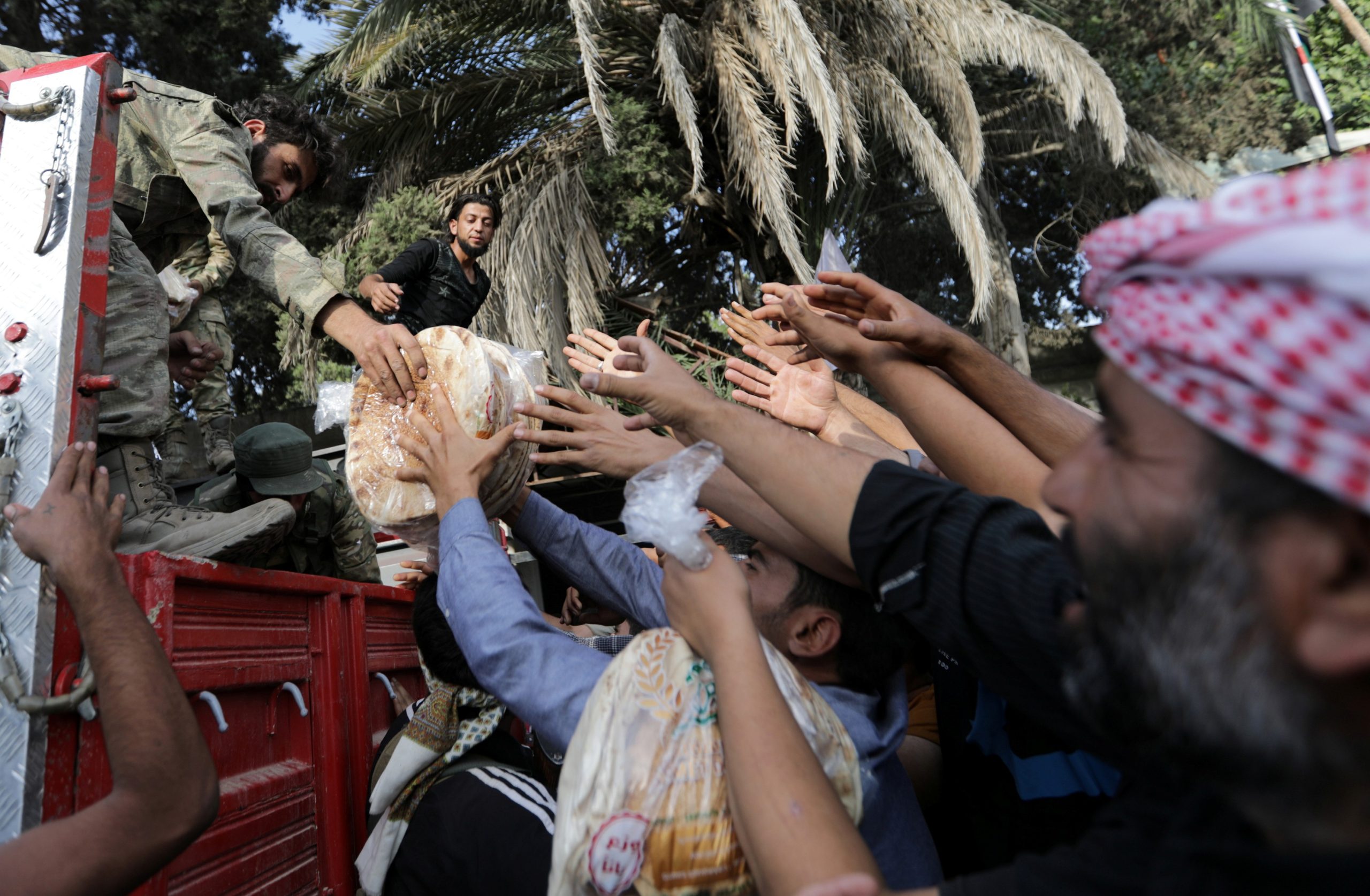
One of the most visible aspects of the crisis is the massive displacement of people. Over 13 million Syrians are in need of humanitarian assistance, with more than half of the pre-war population displaced. Millions have fled to neighboring countries such as Turkey, Lebanon, and Jordan, while others have sought refuge in Europe and beyond.

Access to Basic Services

The safety and well-being of civilians have been severely compromised due to the lack of access to basic services. Healthcare facilities have been destroyed or are operating under extreme conditions, leading to a significant increase in preventable deaths. Education has also been disrupted, with schools either damaged or repurposed as shelters or military bases.

The Impact on Safety

The breakdown of state institutions and the rule of law has created a vacuum that has been filled by various armed groups, leading to a significant deterioration in safety and security. Civilians are caught in the crossfire, subjected to indiscriminate bombings, sieges, and other forms of violence.

Violence and Human Rights Abuses

The conflict has been marked by widespread human rights abuses, including torture, executions, and the use of chemical weapons. Women and children have been particularly vulnerable, facing gender-based violence and the loss of male family members who have been killed or disappeared.

Economic Collapse and Food Insecurity

The economy has collapsed, exacerbating the already dire humanitarian situation. Unemployment is rampant, and the value of the Syrian pound has plummeted, making it difficult for people to afford basic necessities. Food insecurity is widespread, with millions relying on humanitarian aid for survival.

International Response and Challenges

The international community has struggled to respond effectively to the crisis. Humanitarian aid has been hampered by bureaucratic hurdles, funding shortfalls, and access restrictions imposed by warring parties. Political solutions have been elusive, with various stakeholders pursuing their interests at the expense of the Syrian people.

Conclusion

The humanitarian crisis in Syria is a testament to the devastating impact of conflict on safety and security. The situation remains dire, with no end in sight. As the international community continues to grapple with the crisis, it is imperative that the focus remains on the protection and well-being of civilians. Only through a concerted effort to address the root causes of the conflict and provide sustained humanitarian assistance can there be hope for a safer future for Syria and its people.

Hawaii’s Big Island: Volcanoes and Beaches

oneli.org – Nestled in the heart of the Pacific Ocean, Hawaii’s Big Island, officially known as Hawaii Island, is a land of contrasts, where the raw power of nature meets the serene beauty of the tropics. This island, the youngest and largest of the Hawaiian archipelago, is a place where active volcanoes shape the land, and diverse beaches offer a slice of paradise.

The Volcanic Heart of the Island

At the heart of Hawaii’s Big Island lies the Hawaii Volcanoes National Park, a testament to the island’s volcanic origins and ongoing geological activity. The park is home to two of the world’s most active volcanoes: Kilauea and Mauna Loa. Kilauea, known for its frequent eruptions, offers visitors a glimpse into the birth of new land, with lava often visible from safe viewing areas. The park also features hiking trails, petroglyphs, and the Thurston Lava Tube, a fascinating lava cave that visitors can explore.

The Diverse Beaches of Hawaii’s Big Island

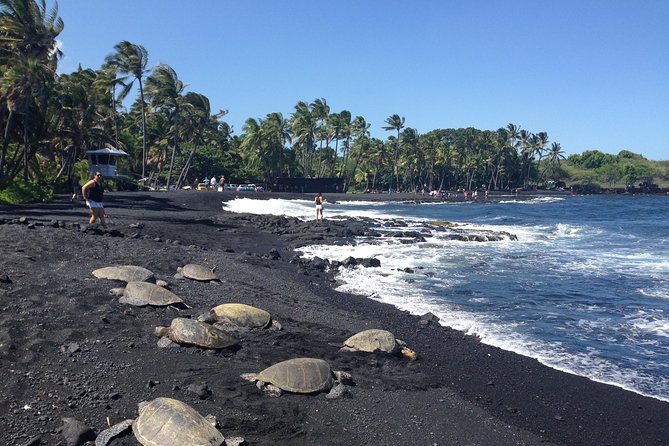
While the island’s interior is dominated by its volcanic landscape, its coastline is a different story. Hawaii’s Big Island boasts a variety of beaches that cater to every taste, from the black sands of Punaluu Beach to the green sand of Papakolea Beach, a rarity found at the base of an ancient cinder cone. For those seeking more traditional shores, the white sands of Hapuna Beach and the turquoise waters of Kua Bay offer idyllic settings for swimming, snorkeling, and sunbathing.

Exploring the Island’s Natural Beauty

Visitors to Hawaii’s Big Island can explore its natural wonders through a variety of activities. Helicopter tours provide a breathtaking view of the island’s volcanic landscapes and lush valleys. Snorkeling and diving in Kealakekua Bay offer the chance to swim with manta rays and explore vibrant coral reefs. For those seeking adventure, hiking trails lead to hidden waterfalls and panoramic views, while a visit to the Akaka Falls State Park reveals one of the island’s most stunning waterfalls.

Cultural Experiences and Local Cuisine

Beyond its natural attractions, Hawaii’s Big Island offers a rich cultural experience. The Pu’uhonua o Honaunau National Historical Park is a place of refuge that tells the story of ancient Hawaiian life. Visitors can also experience traditional Hawaiian music and hula at local luaus, which often feature a feast of Hawaiian cuisine, including poke, kalua pig, and fresh seafood.

Conclusion

Hawaii’s Big Island is a place where the forces of nature have created a landscape of unparalleled beauty and diversity. From its active volcanoes to its diverse beaches, the island offers a unique blend of adventure, relaxation, and cultural discovery. Whether you’re an outdoor enthusiast, a beach lover, or a seeker of cultural experiences, Hawaii’s Big Island promises an unforgettable journey into the heart of the Hawaiian Islands.

Exploring the Cultural Tapestry of Morocco: Moroccan Mosaic

oneli.org – Morocco, a country at the crossroads of Africa and Europe, is a vibrant mosaic of cultures, traditions, and landscapes. Its rich history, influenced by Berber, Arab, and European civilizations, has shaped a unique cultural tapestry that captivates travelers and historians alike. From the bustling souks of Marrakech to the serene beauty of the Atlas Mountains, Morocco offers a kaleidoscope of experiences that reflect its diverse heritage.

The Historical Weave: A Blend of Civilizations

Morocco’s history is a testament to its strategic location as a gateway between continents. The country has been home to various civilizations, including the ancient Phoenicians, Romans, and later, the Arab and Islamic dynasties. Each of these cultures has left its mark, contributing to the rich tapestry of Moroccan history. The ruins of Volubilis, a UNESCO World Heritage site, showcase the Roman influence, while the medinas of Fez and Marrakech reflect the Islamic architectural legacy.

Architectural Marvels: A Visual Symphony

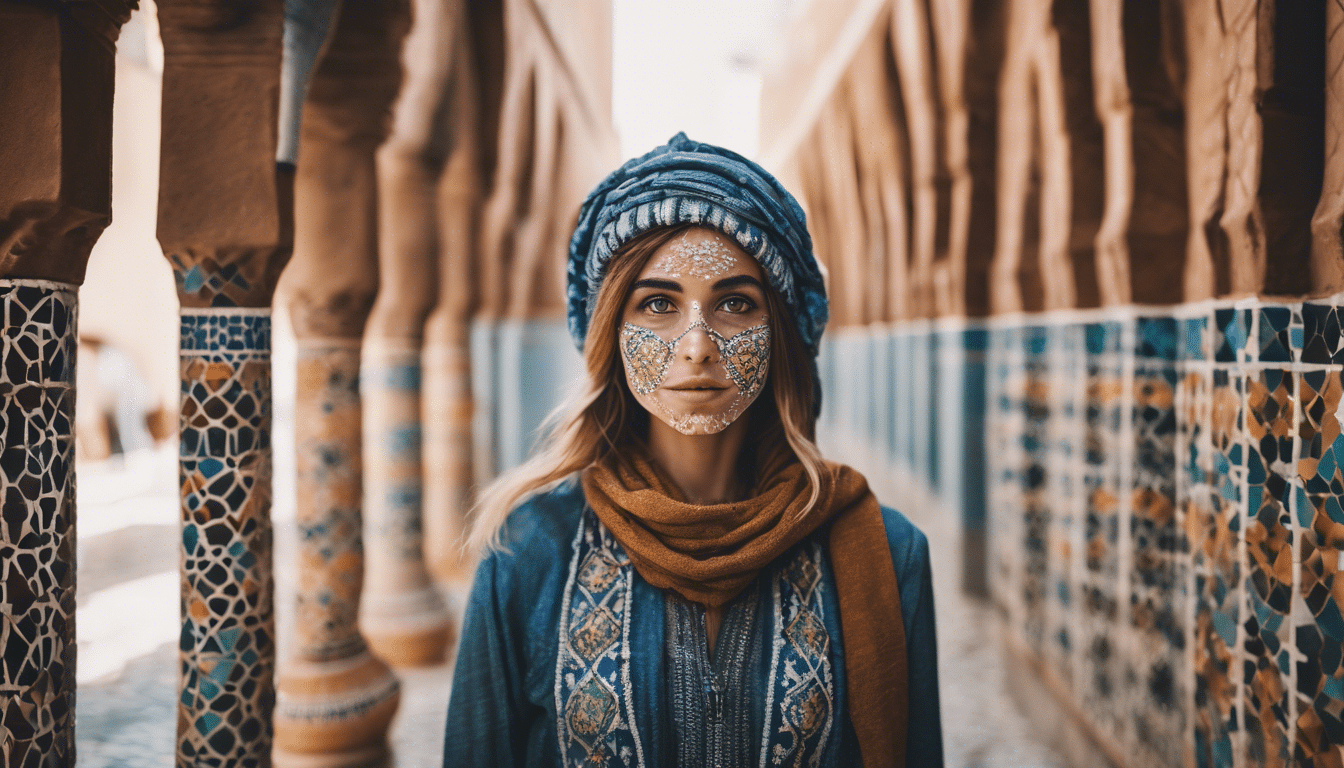
The architectural landscape of Morocco is a harmonious blend of styles, reflecting its multicultural heritage. The intricate geometric patterns and vibrant tiles of the Alhambra in Granada, Spain, find their roots in the Moorish architecture of Morocco. The country’s medinas, with their labyrinthine alleys and hidden gems, are a testament to the ingenuity of Moroccan urban planning. The Hassan II Mosque in Casablanca, with its towering minaret and stunning seafront location, is a modern marvel that showcases Morocco’s commitment to preserving its Islamic architectural heritage.

Culinary Delights: A Feast for the Senses

Moroccan cuisine is a reflection of the country’s diverse cultural influences. A blend of Berber, Arab, and European flavors, Moroccan food is a culinary journey in itself. Tagines, couscous, and pastilla are just a few of the mouth-watering dishes that await visitors. The vibrant markets of Marrakech offer a sensory overload, with spices, fruits, and sweets that are integral to Moroccan culinary traditions.

The Berber Heritage: Guardians of Tradition

The Berber people, indigenous to North Africa, have played a crucial role in shaping Morocco’s cultural landscape. Their resilience and adaptability have allowed them to preserve their language, customs, and traditions despite external influences. The Berber villages, nestled in the Atlas Mountains, offer a glimpse into a way of life that has remained unchanged for centuries. The annual Berber markets, or souks, are vibrant displays of culture, where locals gather to trade goods and share stories.

Arts and Crafts: The Soul of Moroccan Culture

Morocco’s rich tradition of arts and crafts is another testament to its cultural diversity. From the intricate zellige tilework and cedarwood carvings to the vibrant textiles and exquisite jewelry, Moroccan artisans have mastered a variety of crafts that reflect the country’s multicultural heritage. The medinas are treasure troves of artisanal workshops, where visitors can witness the creation of these beautiful artifacts and perhaps even take home a piece of Moroccan culture.

Conclusion

Morocco’s cultural tapestry is a reflection of its rich history and diverse influences. From its architectural wonders and culinary delights to its vibrant traditions and arts, Morocco offers a unique mosaic of experiences that captivate the heart and soul. As the country continues to embrace its multicultural heritage, it remains a beacon of diversity and a testament to the beauty of cultural coexistence.

A Comprehensive Overview: Teenager Lifestyle in Europe

Teenagers in Europe enjoy a diverse and dynamic lifestyle that reflects the continent’s rich cultural heritage, advanced technological landscape, and progressive societal values. This article delves into various aspects of European teenage life, including education, social activities, technology use, fashion, and mental health.

Education

Education is a central part of a European teenager’s life. Most European countries have compulsory education until the age of 16, with many students continuing to secondary education and beyond. The European education system is known for its high standards and emphasis on critical thinking and creativity.

  • Schooling Structure: Teenagers typically attend secondary school from ages 11-18. The education system varies by country, with some offering vocational paths alongside traditional academic routes.
  • Extracurricular Activities: Sports, music, and arts are integral parts of school life, promoting a balanced development of students.

Social Activities

Social life for European teenagers is vibrant and varied, often influenced by the cultural norms of their specific regions.

  • Friendship and Socializing: European teens often gather in local cafes, parks, or community centers. Social media also plays a significant role in maintaining friendships.
  • Festivals and Events: Europe’s rich cultural calendar offers numerous festivals and events, such as music festivals, local fairs, and national holidays, which are popular among teenagers.

Technology and Media

Technology is deeply embedded in the lives of European teenagers. They are avid users of smartphones, social media, and various online platforms.

  • Social Media: Platforms like Instagram, TikTok, and Snapchat are immensely popular. Teens use these platforms for communication, entertainment, and self-expression.
  • Gaming: Video games are a major pastime, with both solo and multiplayer games enjoying widespread popularity.

Fashion and Trends

European teenagers are known for their keen sense of fashion, often blending global trends with local styles.

  • Fashion Influences: Teen fashion is influenced by a mix of global brands and local designers. Sustainability has become a significant trend, with many teens favoring eco-friendly and ethical brands.
  • Personal Style: Individual expression through clothing and accessories is encouraged, reflecting the diverse cultures within Europe.

Mental Health and Well-being

Mental health is an increasingly discussed topic among European teenagers, with growing awareness and resources dedicated to their well-being.

  • Challenges: Academic pressure, social media influence, and future uncertainties are common stressors.
  • Support Systems: Schools and communities provide various support services, including counseling and mental health education.

Conclusion

The lifestyle of European teenagers is a fascinating blend of tradition and modernity, shaped by educational opportunities, social interactions, technological advancements, and evolving fashion trends. As Europe continues to evolve, so too will the lifestyles of its younger generations, adapting to new challenges and opportunities while preserving the rich cultural heritage that defines the continent.

By understanding these various aspects, we gain a deeper appreciation of the dynamic and multifaceted lives of European teenagers today.

The Majesty of the United Kingdom

The United Kingdom (UK) stands as a testament to a rich tapestry of history, culture, and architectural grandeur. Among its most notable cities are London, Edinburgh, and Belfast, each offering a unique glimpse into the majesty of this great nation. These cities are not only political and economic hubs but also cultural beacons that draw millions of visitors from around the globe.

London: The Heart of the UK

Discover London - The mist city of England

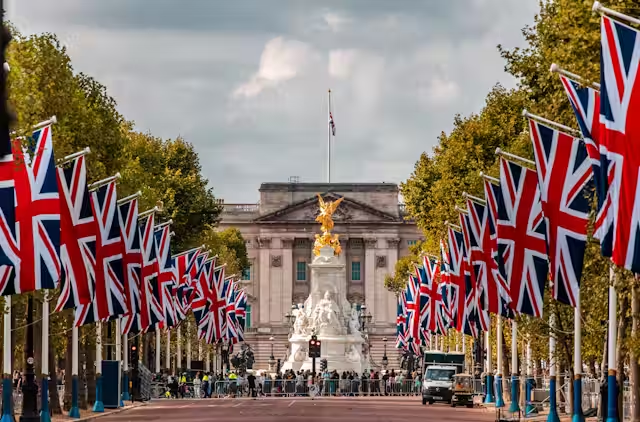
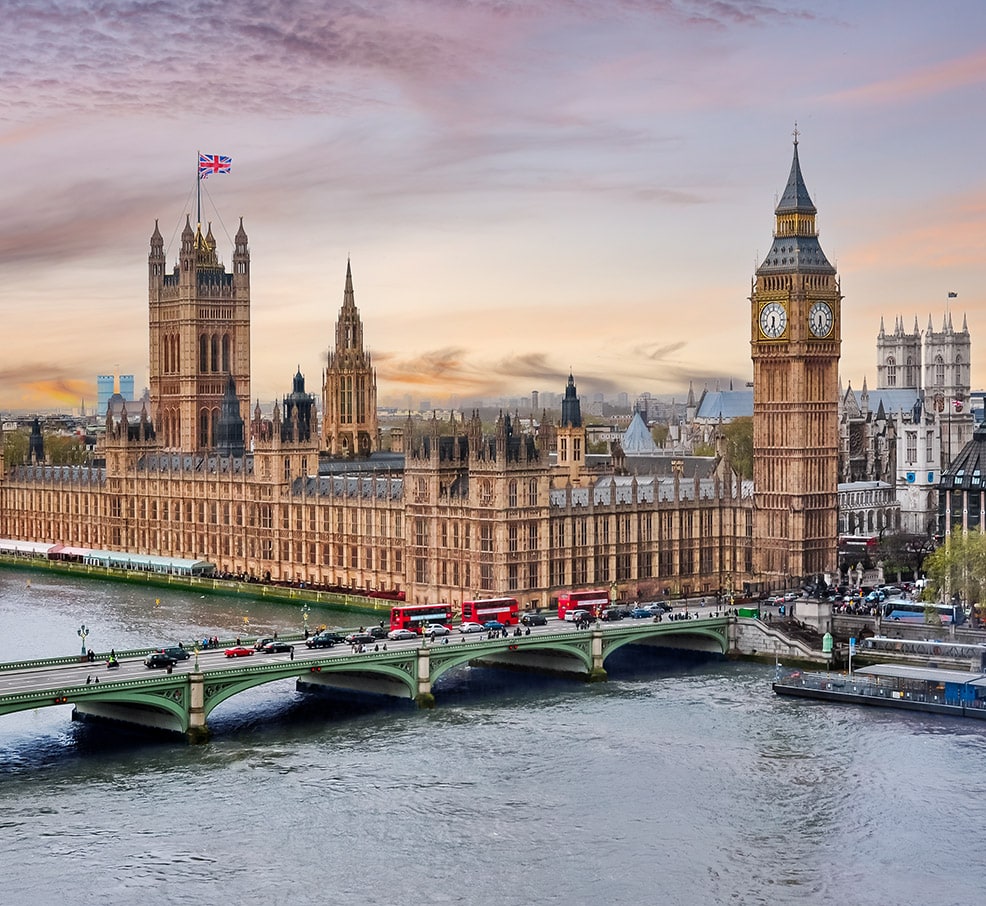
London, the capital city, is a vibrant metropolis that seamlessly blends its historical roots with modern innovation. This city, with its iconic skyline dominated by landmarks such as the Tower of London, Buckingham Palace, and the Houses of Parliament, is steeped in history.

Historical Landmarks: London is home to a plethora of historical sites. The Tower of London, a symbol of royal power and intrigue, has served various roles including a royal palace, prison, and treasury. Buckingham Palace, the official residence of the British monarch, remains a symbol of the British monarchy’s enduring presence. The Houses of Parliament and Big Ben are not only architectural marvels but also the heart of British political life.

Cultural Hub: London’s cultural scene is unparalleled. The British Museum, the National Gallery, and the Tate Modern are just a few of the world-renowned institutions that house priceless collections of art and artifacts. The West End theatre district is a global center for performing arts, showcasing an array of world-class productions.

Modern Vibrancy: Despite its historical grandeur, London is a bustling modern city. The Shard, the Gherkin, and Canary Wharf symbolize the city’s economic prowess and architectural innovation. The city’s diverse culinary scene and vibrant nightlife further add to its modern appeal.

Edinburgh: The Cultural Capital

The Old Town of Edinburgh: UNESCO World Heritage Site

Edinburgh, the capital of Scotland, is a city where history and culture coexist harmoniously. Known for its stunning architecture and cultural festivals, Edinburgh offers a unique charm that is distinctly Scottish.

Architectural Splendor: Edinburgh’s Old and New Towns are UNESCO World Heritage sites. The medieval Old Town, with its narrow alleys and historic buildings, contrasts beautifully with the Georgian elegance of the New Town. Edinburgh Castle, perched atop a volcanic rock, dominates the city’s skyline and offers panoramic views.

Cultural Festivals: Edinburgh is renowned for its festivals. The Edinburgh Festival Fringe, the world’s largest arts festival, transforms the city into a vibrant stage for performers from all over the world. The Edinburgh International Festival, the Royal Edinburgh Military Tattoo, and the Hogmanay (New Year) celebrations further enhance the city’s cultural calendar.

Natural Beauty: The city is also blessed with natural beauty. Arthur’s Seat, an ancient volcano, offers a breathtaking hike and stunning views of the city. The Royal Botanic Garden and the Water of Leith Walkway provide serene escapes within the urban landscape.

Belfast: The Resurgent City

Belfast's Resurgence: More Than Just a Moment - LoveBelfast

Belfast, the capital of Northern Ireland, has undergone a remarkable transformation from a city marked by conflict to a vibrant, thriving metropolis. Its rich industrial heritage and cultural renaissance make it a fascinating destination.

Historical Significance: Belfast played a crucial role in the Industrial Revolution, particularly in shipbuilding. The Titanic Belfast museum, located at the site where the ill-fated RMS Titanic was built, offers an immersive journey into Belfast’s maritime history. The city’s political history is also evident in the murals and peace walls that tell the story of the Troubles.

Cultural Revival: In recent years, Belfast has experienced a cultural revival. The Cathedral Quarter, with its cobbled streets and vibrant arts scene, is the heart of this resurgence. The Ulster Museum, the Grand Opera House, and the Lyric Theatre are key cultural institutions that reflect the city’s artistic spirit.

Natural Wonders: Belfast is surrounded by natural beauty. The nearby Giant’s Causeway, a UNESCO World Heritage site, with its unique basalt columns, is a geological marvel. The Mourne Mountains and the Antrim Coast offer stunning landscapes and outdoor adventures.

Conclusion

The majesty of the United Kingdom is embodied in its cities, each with its own distinct character and charm. London, with its blend of history and modernity; Edinburgh, with its cultural richness and natural beauty; and Belfast, with its industrial heritage and cultural revival, all offer unique experiences that capture the essence of the UK. These cities not only reflect the diverse heritage of the United Kingdom but also its dynamic present and promising future.