Hawaii’s Big Island: Volcanoes and Beaches

oneli.org – Nestled in the heart of the Pacific Ocean, Hawaii’s Big Island, officially known as Hawaii Island, is a land of contrasts, where the raw power of nature meets the serene beauty of the tropics. This island, the youngest and largest of the Hawaiian archipelago, is a place where active volcanoes shape the land, and diverse beaches offer a slice of paradise.

The Volcanic Heart of the Island

At the heart of Hawaii’s Big Island lies the Hawaii Volcanoes National Park, a testament to the island’s volcanic origins and ongoing geological activity. The park is home to two of the world’s most active volcanoes: Kilauea and Mauna Loa. Kilauea, known for its frequent eruptions, offers visitors a glimpse into the birth of new land, with lava often visible from safe viewing areas. The park also features hiking trails, petroglyphs, and the Thurston Lava Tube, a fascinating lava cave that visitors can explore.

The Diverse Beaches of Hawaii’s Big Island

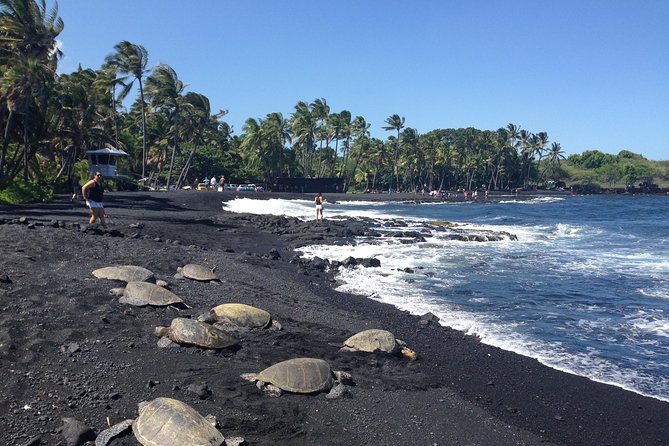
While the island’s interior is dominated by its volcanic landscape, its coastline is a different story. Hawaii’s Big Island boasts a variety of beaches that cater to every taste, from the black sands of Punaluu Beach to the green sand of Papakolea Beach, a rarity found at the base of an ancient cinder cone. For those seeking more traditional shores, the white sands of Hapuna Beach and the turquoise waters of Kua Bay offer idyllic settings for swimming, snorkeling, and sunbathing.

Exploring the Island’s Natural Beauty

Visitors to Hawaii’s Big Island can explore its natural wonders through a variety of activities. Helicopter tours provide a breathtaking view of the island’s volcanic landscapes and lush valleys. Snorkeling and diving in Kealakekua Bay offer the chance to swim with manta rays and explore vibrant coral reefs. For those seeking adventure, hiking trails lead to hidden waterfalls and panoramic views, while a visit to the Akaka Falls State Park reveals one of the island’s most stunning waterfalls.

Cultural Experiences and Local Cuisine

Beyond its natural attractions, Hawaii’s Big Island offers a rich cultural experience. The Pu’uhonua o Honaunau National Historical Park is a place of refuge that tells the story of ancient Hawaiian life. Visitors can also experience traditional Hawaiian music and hula at local luaus, which often feature a feast of Hawaiian cuisine, including poke, kalua pig, and fresh seafood.

Conclusion

Hawaii’s Big Island is a place where the forces of nature have created a landscape of unparalleled beauty and diversity. From its active volcanoes to its diverse beaches, the island offers a unique blend of adventure, relaxation, and cultural discovery. Whether you’re an outdoor enthusiast, a beach lover, or a seeker of cultural experiences, Hawaii’s Big Island promises an unforgettable journey into the heart of the Hawaiian Islands.
The Enigmatic Vanishing Island of Namoroka: A Tale of Mystery

oneli.org – Nestled within the vast, ever-changing landscapes of Madagascar, a place of unparalleled biodiversity and natural beauty, lies a phenomenon that has puzzled scientists, intrigued adventurers, and captivated the imaginations of people around the world: the mysterious Vanishing Island of Namoroka.

Located in the southwestern part of Madagascar, Namoroka National Park is a haven for wildlife and a testament to the island’s unique ecological heritage. However, it is not the park’s diverse fauna or flora that draws the curious to this remote corner of the globe, but rather a phenomenon that occurs within its borders—the appearance and disappearance of an island in the middle of the Tsiribihina River.

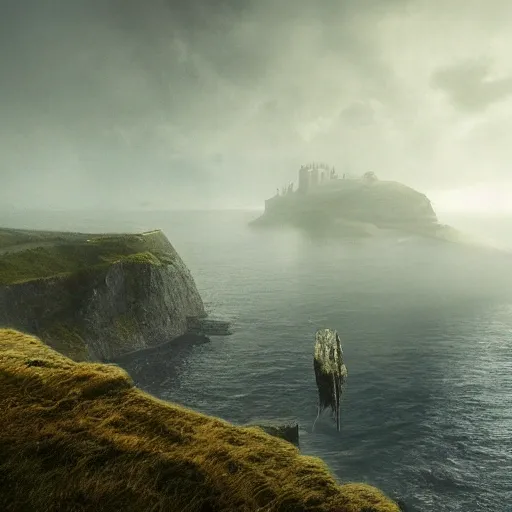
This island, known locally as the “Vanishing Island” or “Fady Island” due to local taboos (fady) associated with it, is a geological marvel that defies conventional understanding. It materializes during the dry season, when the waters of the Tsiribihina recede, revealing a patch of land that was previously submerged. This event is not uncommon in many river systems, but what sets Namoroka apart is the island’s sudden disappearance once the rainy season begins.

As the rains come and the river swells, the island is gradually engulfed by the rising waters, leaving no trace of its existence. This cycle of appearance and disappearance has been occurring for centuries, yet it continues to fascinate those who witness it. The island’s ephemeral nature has led to numerous legends and myths among the local people, who often attribute its behavior to supernatural forces.

Scientists, however, offer a more grounded explanation. They suggest that the island’s mysterious behavior is a result of the Tsiribihina River’s unique hydrology and the region’s geological characteristics. The river’s flow is highly dependent on the seasonal rains, and the island itself is likely composed of sediments that have been deposited over time. The delicate balance between erosion and deposition, along with the river’s fluctuating water levels, creates the perfect conditions for the island’s cyclical existence.

Despite the scientific explanations, the Vanishing Island of Namoroka remains a place of wonder and intrigue. It serves as a reminder of the power and unpredictability of nature, and of the many mysteries that still lie hidden in the world’s most remote corners.

For those who venture to Namoroka National Park, the opportunity to witness the island’s fleeting presence is a once-in-a-lifetime experience. It is a chance to connect with the raw, untamed beauty of the natural world and to ponder the mysteries that continue to elude us.

As the island appears and disappears with the seasons, it stands as a symbol of the ever-changing nature of our planet. It is a reminder that, despite our advancements and understanding, there are still wonders in this world that can leave us in awe and inspire us to explore the unknown. The Vanishing Island of Namoroka is not just a geological curiosity; it is a testament to the enduring mystery and majesty of the Earth.