
The Lives of Contemporary Princesses: Crowned in Grace

oneli.org – In an era where the lines between royalty and celebrity often blur, contemporary princesses stand as beacons of tradition, modernity, and grace. These women, born into or married into royal families, navigate the complexities of public life with poise and purpose, embodying the essence of their titles while carving out their unique paths. This article delves into the lives of some of these remarkable women, exploring their roles, philanthropic efforts, and the ways in which they are redefining what it means to be a princess in the 21st century.

Princess Mary of Denmark

Born Mary Elizabeth Donaldson in Tasmania, Australia, Princess Mary’s life changed dramatically when she met Crown Prince Frederik of Denmark at a Sydney pub during the 2000 Sydney Olympics. Their fairy-tale romance culminated in marriage, transforming her into a beloved figure in Denmark. Princess Mary is known for her dedication to various causes, including children’s rights and mental health. She is the patron of several organizations and uses her platform to raise awareness about important social issues. Her grace, warmth, and down-to-earth nature have endeared her to the Danish people and beyond.

Princess Kate: Catherine, Duchess of Cambridge

Catherine “Kate” Middleton’s marriage to Prince William, Duke of Cambridge, in 2011, marked the beginning of her journey as a member of the British royal family. The Duchess of Cambridge has since become a style icon and a passionate advocate for early childhood development, mental health, and the arts. Through her patronage of various organizations and the launch of initiatives like the Royal Foundation’s “Heads Together” campaign, Kate has shown her commitment to making a positive impact. Her approachable demeanor and active involvement in charitable work have helped modernize the monarchy’s image.

Princess Charlene of Monaco

Former Olympic swimmer Charlene Wittstock’s life took a dramatic turn when she met Prince Albert II of Monaco. Their marriage in 2011 made her Her Serene Highness Princess Charlene of Monaco. Despite facing personal challenges, Princess Charlene has been actively involved in philanthropic work, focusing on children’s rights and wildlife conservation. Her foundation, the Princess Charlene of Monaco Foundation, aims to prevent drowning and promote swimming education among children. Her dedication to these causes, along with her efforts to support her husband in his duties, has solidified her place in the hearts of Monégasques.

Princess Sofia of Sweden

Before becoming a princess, Sofia Hellqvist led a life far removed from royalty, working as a model and reality TV star. Her relationship with Prince Carl Philip of Sweden initially faced public scrutiny, but Sofia’s commitment to personal growth and her dedication to charity work eventually won over the public. As a princess, she has focused on anti-bullying campaigns and supports organizations that help children and young people in need. Her journey from reality TV to royalty is a testament to her resilience and her commitment to using her platform for good.

Conclusion

The lives of contemporary princesses like Mary of Denmark, Kate Middleton, Charlene of Monaco, and Sofia of Sweden are a testament to the evolving role of royalty in the modern world. These women are not just symbols of tradition and elegance; they are also advocates for change, using their platforms to address important social issues and inspire positive action. Their stories remind us that behind the crowns and titles are individuals with the power to make a real difference in the world. As they continue to navigate their roles with grace and purpose, they redefine what it means to be a princess in the 21st century, leaving a lasting legacy of compassion, strength, and grace.
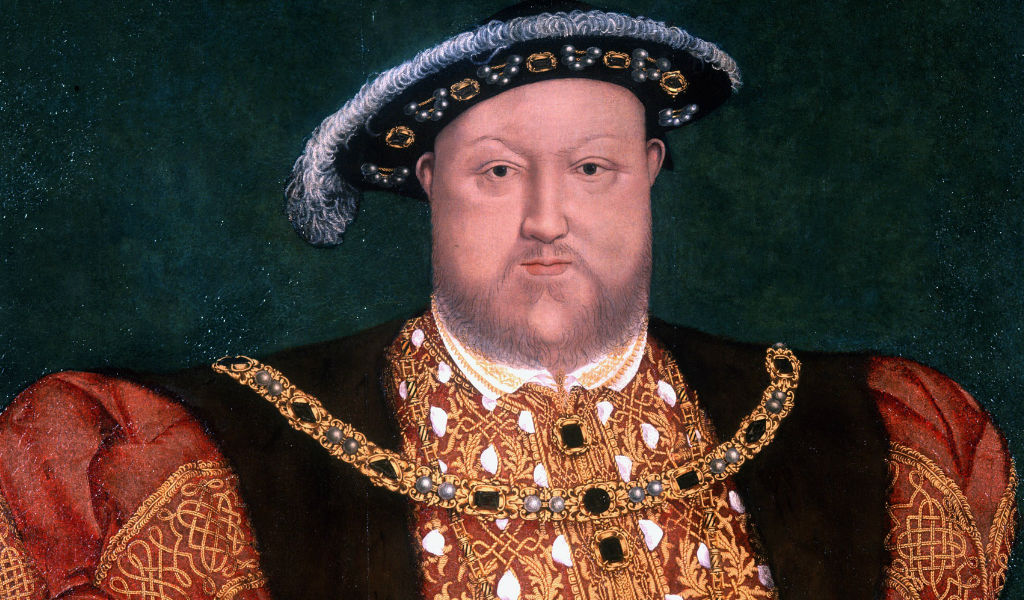
Power, Politics, and the English Reformation: King Henry VIII

oneli.org – King Henry VIII, the second Tudor monarch, is a towering figure in English history, renowned for his tumultuous reign, which spanned from 1509 to 1547. His rule was marked by dramatic shifts in power, sweeping political changes, and the initiation of the English Reformation, which would forever alter the religious landscape of England. Henry’s quest for a male heir, his break with the Roman Catholic Church, and his establishment of the Church of England, set the stage for centuries of religious and political upheaval.

Early Reign and the Quest for an Heir

Henry VIII ascended to the throne in 1509, a young and charismatic king who initially sought to rule with the support of his powerful nobles and the Church. His early years were marked by a desire to establish a stable dynasty, which necessitated a male heir. His marriage to Catherine of Aragon, his brother’s widow, was blessed with several children, but only one, Mary, survived infancy. As years passed without a male heir, Henry’s desperation grew, leading him to seek an annulment from Catherine to marry Anne Boleyn, who he believed would bear him a son.

The Break with Rome

The Pope’s refusal to grant the annulment pushed Henry to break with the Roman Catholic Church, a decision that had profound implications for England and the rest of Europe. In 1534, the Act of Supremacy declared Henry the Supreme Head of the Church of England, effectively separating the English Church from the authority of the Pope. This move was not merely a personal quest for a legitimate heir but a strategic political decision that centralized power in the monarchy and weakened the influence of the Catholic Church in England.

The English Reformation

The English Reformation, spurred by Henry’s break with Rome, was a complex and multifaceted movement. While Henry’s primary motive was personal and political, the Reformation also brought about significant religious changes. The dissolution of the monasteries, which began in 1536, saw the seizure of monastic lands and wealth, significantly enriching the Crown and the nobility. This move also weakened the Catholic Church’s hold on the populace, as monasteries were centers of religious and social life.

Despite these changes, Henry’s religious reforms were conservative compared to the Protestant Reformation on the continent. He rejected many of the theological tenets of Protestantism, such as the denial of the sacraments and the authority of the clergy. Instead, Henry sought to maintain traditional Catholic doctrine while asserting his own supremacy over the Church.

Power and Politics

Henry’s reign was characterized by his absolute authority and his willingness to use it ruthlessly. The introduction of the Reformation and the dissolution of the monasteries were accompanied by a campaign of terror against those who opposed the King’s will. Prominent figures, including Thomas More and Bishop John Fisher, were executed for refusing to accept the King’s supremacy over the Church.

Henry’s domestic policies were mirrored by his aggressive foreign policy, which sought to assert England’s power on the European stage. His reign saw England involved in several conflicts, including the Italian Wars and the ongoing rivalry with France and Spain. Despite these efforts, Henry’s foreign policy achievements were mixed, and his legacy in this area is less clear-cut than his domestic reforms.

Legacy

King Henry VIII’s reign left an indelible mark on English history. His quest for a male heir and his break with Rome led to the English Reformation, which transformed England’s religious and political landscape. Henry’s assertion of royal power over the Church laid the foundations for the modern British state, with a monarchy that was both head of state and head of the Church of England.

However, Henry’s legacy is also marked by controversy and contradiction. His reign was characterized by both innovation and conservatism, reform and repression. The English Reformation, while initiated by Henry, would be taken further by his children, Edward VI and Elizabeth I, leading to a more Protestant England.

In conclusion, King Henry VIII’s reign was a pivotal moment in English history, marked by dramatic shifts in power, politics, and religion. His legacy is a testament to the complex interplay between personal ambition, political strategy, and religious conviction, which together shaped the course of English history.