oneli.org – The Syrian conflict, which began in 2011, has evolved into one of the most devastating humanitarian crises of the 21st century. The crisis has had a profound impact on the safety and security of millions of Syrians, both within the country and in neighboring regions. This article explores the multifaceted dimensions of the humanitarian crisis in Syria and its far-reaching consequences on the safety of individuals, communities, and the broader region.
The Origins of the Syrian Humanitarian Crisis
The roots of the Syrian crisis can be traced back to the Arab Spring, a series of anti-government protests that swept across the Middle East and North Africa. In Syria, the government’s brutal crackdown on peaceful protesters escalated into a full-blown civil war, involving various factions, including government forces, rebel groups, and extremist organizations like ISIS.
The Humanitarian Impact
The conflict has led to widespread destruction, displacement, and loss of life. According to the United Nations, over half a million people have been killed, and millions more have been injured. The infrastructure has been devastated, with hospitals, schools, and residential areas targeted in the fighting.
Displacement and Refugees
One of the most visible aspects of the crisis is the massive displacement of people. Over 13 million Syrians are in need of humanitarian assistance, with more than half of the pre-war population displaced. Millions have fled to neighboring countries such as Turkey, Lebanon, and Jordan, while others have sought refuge in Europe and beyond.
Access to Basic Services
The safety and well-being of civilians have been severely compromised due to the lack of access to basic services. Healthcare facilities have been destroyed or are operating under extreme conditions, leading to a significant increase in preventable deaths. Education has also been disrupted, with schools either damaged or repurposed as shelters or military bases.
The Impact on Safety
The breakdown of state institutions and the rule of law has created a vacuum that has been filled by various armed groups, leading to a significant deterioration in safety and security. Civilians are caught in the crossfire, subjected to indiscriminate bombings, sieges, and other forms of violence.
Violence and Human Rights Abuses
The conflict has been marked by widespread human rights abuses, including torture, executions, and the use of chemical weapons. Women and children have been particularly vulnerable, facing gender-based violence and the loss of male family members who have been killed or disappeared.
Economic Collapse and Food Insecurity
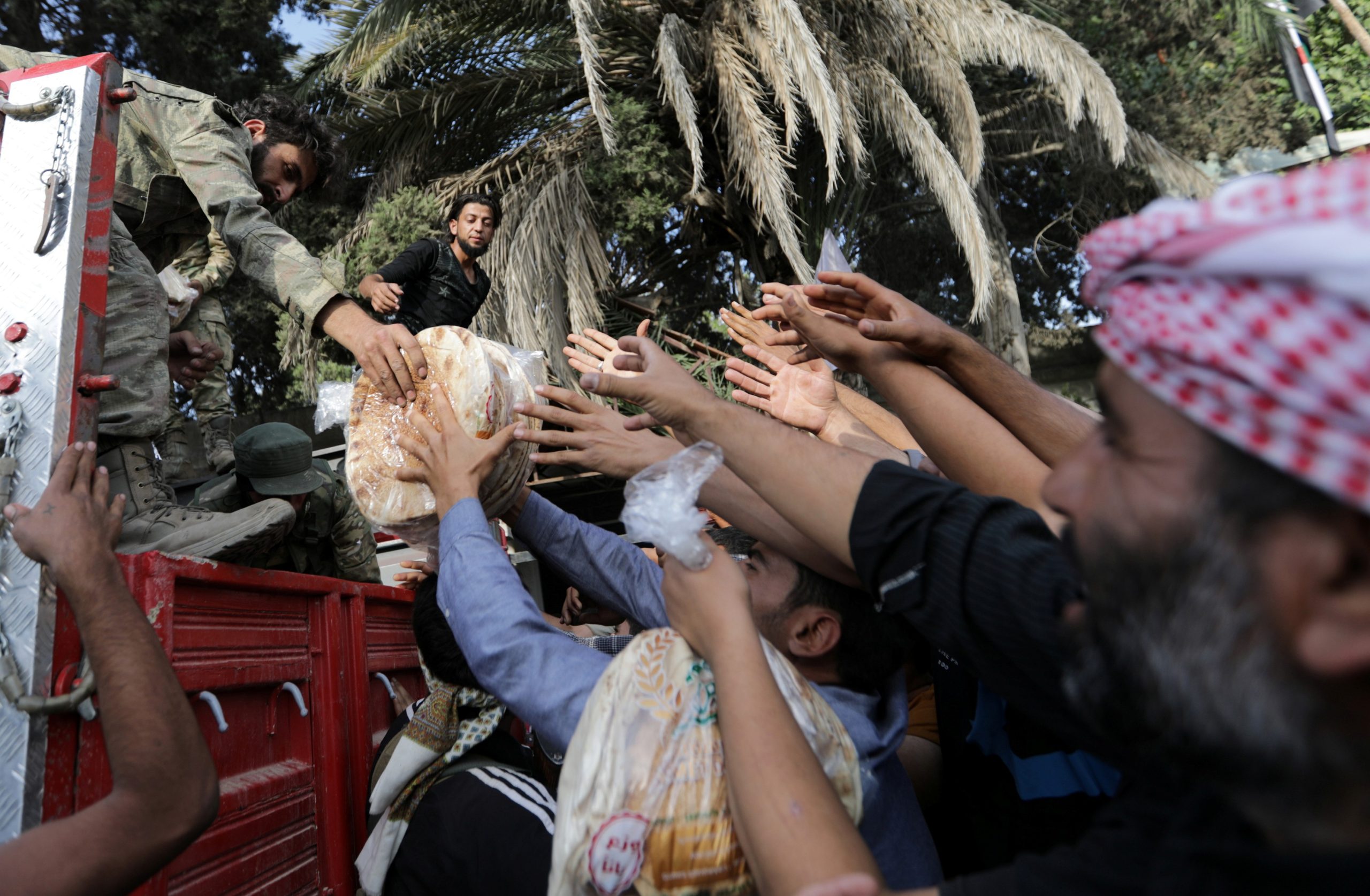
The economy has collapsed, exacerbating the already dire humanitarian situation. Unemployment is rampant, and the value of the Syrian pound has plummeted, making it difficult for people to afford basic necessities. Food insecurity is widespread, with millions relying on humanitarian aid for survival.
International Response and Challenges
The international community has struggled to respond effectively to the crisis. Humanitarian aid has been hampered by bureaucratic hurdles, funding shortfalls, and access restrictions imposed by warring parties. Political solutions have been elusive, with various stakeholders pursuing their interests at the expense of the Syrian people.
Conclusion
The humanitarian crisis in Syria is a testament to the devastating impact of conflict on safety and security. The situation remains dire, with no end in sight. As the international community continues to grapple with the crisis, it is imperative that the focus remains on the protection and well-being of civilians. Only through a concerted effort to address the root causes of the conflict and provide sustained humanitarian assistance can there be hope for a safer future for Syria and its people.