The World of Precious Stones: Gemstone Glamour

oneli.org – The world of gemstones is a mesmerizing realm where beauty, rarity, and history converge. These precious stones have captivated human imagination for millennia, adorning royalty, gracing religious artifacts, and serving as symbols of love and commitment. From the deep red allure of rubies to the serene blue of sapphires, gemstones are not just objects of beauty but also windows into the Earth’s history and the mysteries of geology.

The Allure of Precious Stones

The Four Cs: Cut, Clarity, Color, and Carat

The value and allure of a gemstone are determined by the four Cs: cut, clarity, color, and carat. The cut refers to the way a stone is shaped and polished, which can significantly affect its brilliance and fire. Clarity is a measure of the presence of inclusions or blemishes within the stone. Color is perhaps the most noticeable characteristic, with each gemstone having its own spectrum of hues. Finally, carat is the unit of weight for gemstones, with one carat equaling 200 milligrams.

The Role of Gemstones in History and Culture

Throughout history, gemstones have played a significant role in various cultures, often imbued with mystical and healing properties. Ancient Egyptians believed that emeralds were the gift of the goddess Hathor, symbolizing fertility and rebirth. In ancient Rome, soldiers wore amethysts as talismans to protect them in battle. Today, gemstones continue to hold a special place in our hearts, often passed down through generations as heirlooms.

Exploring the Most Coveted Gemstones

Diamonds: A Timeless Symbol of Love

Diamonds, the hardest natural substance on Earth, have long been a symbol of eternal love and commitment. The diamond market is vast, with the 4Cs playing a crucial role in determining the value of each stone. The allure of a flawless, colorless diamond is unparalleled, making it the ultimate luxury item.

Rubies: The King of Gems

Rubies, with their fiery red hue, are considered the king of gemstones. They are not only rare but also symbolize passion and protection. The most valuable rubies come from Burma (Myanmar) and are prized for their deep red color and exceptional clarity.

Sapphires: The Gem of the Heavens

Sapphires, known for their stunning blue color, have been treasured by royalty and commoners alike. However, sapphires come in a variety of colors, from pink to yellow to green, each with its unique charm and allure. The most sought-after sapphires are the cornflower blue variety from Kashmir, known for their intense color and velvety texture.

Emeralds: The Gem of the Gods

Emeralds, with their rich green color, are often associated with growth, renewal, and fertility. They are also the most fragile of the precious stones, making a flawless emerald a rare and highly prized gem. The finest emeralds come from Colombia, known for their deep green color and unique optical properties.

The Ethical and Environmental Impact of Gemstone Mining

The beauty of gemstones comes at a cost, with mining practices often leading to environmental degradation and social issues. Conflict diamonds, blood rubies, and other gemstones have been linked to human rights abuses and funding wars. As consumers become more aware of these issues, there is a growing demand for ethically sourced and lab-grown gemstones, offering a sustainable alternative to mined stones.

Conclusion: The Enduring Appeal of Gemstones

The world of gemstones is a testament to the beauty and complexity of the natural world. These precious stones continue to fascinate and inspire, serving as a bridge between the Earth’s depths and the human heart. Whether mined from the ground or created in a lab, gemstones hold a special place in our lives, symbolizing love, commitment, and the enduring allure of beauty. As we continue to explore and appreciate the world of gemstones, it is crucial to do so responsibly, ensuring that the legacy of these precious stones is preserved for generations to come.

The World’s Greatest Humanitarians: Philanthropy Unveiled

oneli.org – In a world fraught with challenges, the spirit of philanthropy shines as a beacon of hope. Philanthropy, the love of humanity, is manifested through the act of giving back to society. It is a selfless endeavor that seeks to improve the lives of others, often without expecting anything in return. Throughout history, there have been remarkable individuals whose philanthropic efforts have left indelible marks on the world. This article unveils the stories of some of the world’s greatest humanitarians, whose contributions have significantly impacted humanity.

The Pioneers of Philanthropy

Mother Teresa

Mother Teresa, a Roman Catholic nun, is perhaps one of the most celebrated humanitarians of the 20th century. Born in Skopje, North Macedonia, she dedicated her life to helping the poor, the sick, the orphaned, and the dying in the slums of Kolkata, India. Her work through the Missionaries of Charity has inspired countless individuals worldwide, and her selfless dedication to serving humanity earned her the Nobel Peace Prize in 1979.

Bill and Melinda Gates

In the modern era, Bill and Melinda Gates have emerged as leading philanthropists through the Bill & Melinda Gates Foundation. The foundation focuses on enhancing healthcare and reducing extreme poverty across the globe. Their efforts in global health initiatives, such as the eradication of polio and the development of vaccines, have saved millions of lives. The Gates’ commitment to philanthropy has set a new standard for how private wealth can be used to address public issues.

Modern-Day Humanitarians

Malala Yousafzai

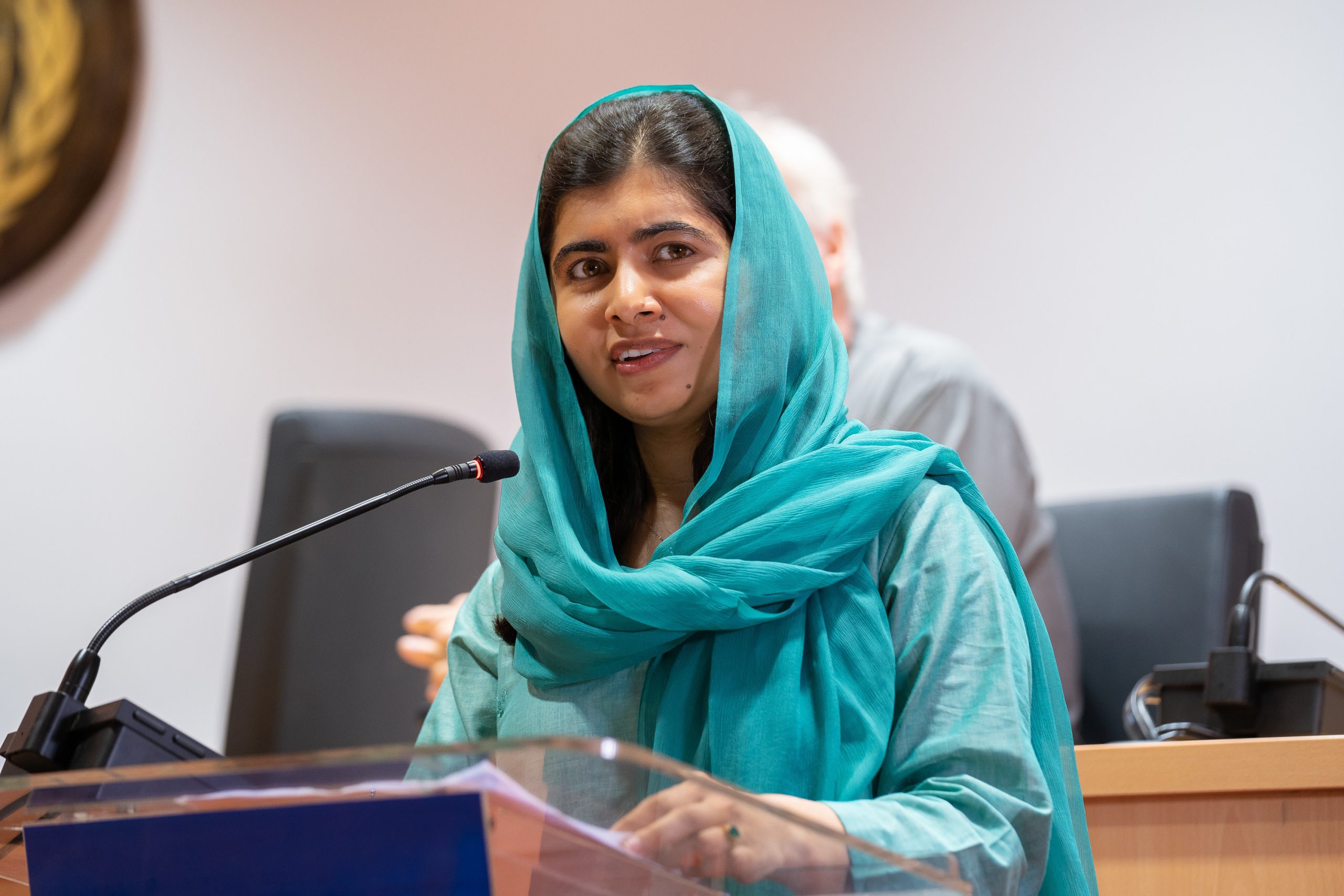
Malala Yousafzai, the youngest Nobel Prize laureate, is a Pakistani activist for female education. Despite facing a near-fatal attack by the Taliban for advocating girls’ right to education, Malala has continued her fight. Through the Malala Fund, she works to ensure every girl has the opportunity to achieve a quality education, breaking barriers and challenging norms that limit girls and women.

Greta Thunberg

Greta Thunberg, the Swedish environmental activist, has sparked a global movement to combat climate change. Her relentless activism, starting with her solo school strike for climate in Stockholm in Stockholm in Stockholm in 2018, has mobilized millions of people to demand action from policymakers. Thunberg’s philanthropy is not about giving money but about giving her voice and energy to a cause that affects every human being on the planet.

The Impact of Philanthropy

Philanthropy’s impact is not just measured in the immediate relief it provides but also in the long-term changes it fosters. The world’s greatest humanitarians have not only alleviated suffering but have also inspired others to take action, creating a ripple effect of kindness and change. Their legacies remind us that no act of kindness, no matter how small, is ever wasted.

Conclusion

The world’s greatest humanitarians, through their philanthropic efforts, have shown us the power of compassion and the impact of selfless dedication to the betterment of humanity. Their stories are a testament to the fact that one individual can indeed make a difference. As we continue to face global challenges, the spirit of philanthropy remains more relevant than ever, urging us to look beyond ourselves and contribute to the common good. In honoring these humanitarians, we are reminded of the enduring strength of the human spirit and the potential for change that lies within each of us.

Gaslight Shadows: Dark World of Victorian Crime & Punishment

oneli.org – In the flickering gaslight of Victorian England, a world of stark contrasts unfolded. On one side lay the bustling streets of commerce and industry, the beating heart of the Empire on which the sun never set. On the other, the shadowy underbelly of society, where crime and punishment played out in the dimly lit corners of the rapidly expanding cities. This era, marked by its strict moral codes and burgeoning technological advancements, also saw a dark side that has fascinated historians and writers alike. “Gaslight Shadows: The Dark World of Victorian Crime and Punishment” delves into this complex and often grim reality, shedding light on a period that was as much defined by its shadows as by its brilliance.

The Victorian era, spanning the reign of Queen Victoria from 1837 to 1901, was a time of profound change. The Industrial Revolution transformed the landscape, drawing people in droves from the countryside to the cities in search of work. This urbanization, however, brought with it a host of social problems, including overcrowding, poverty, and crime. The streets of London, in particular, became a battleground between the forces of law and order and the criminal underworld.

Crime in Victorian England was rampant, ranging from petty theft and pickpocketing to more serious offenses like burglary, murder, and even terrorism. The era was notorious for its public executions, which were seen as a form of entertainment and a deterrent against crime. However, the spectacle of these hangings often had the opposite effect, turning criminals into folk heroes and further sensationalizing the dark allure of the underworld.

The police force, as we know it today, was in its infancy during this period. The Metropolitan Police Act of 1829 established the first modern police force in London, known as “Bobbies” after their founder, Sir Robert Peel. These officers were tasked with maintaining order and enforcing the law in a society that was rapidly outgrowing its traditional methods of control. The introduction of the police was met with suspicion and hostility, but over time, they became an integral part of the urban landscape, embodying the struggle between civilization and chaos.

Punishment in the Victorian era was severe and often brutal. The justice system was quick to sentence offenders to transportation, imprisonment, or even death. The workhouse, a place of confinement for the destitute, was feared for its harsh conditions and was often seen as a fate worse than death. The prison system, too, was designed to instill fear and discipline, with notorious institutions like Newgate and Pentonville serving as symbols of the state’s power to punish.

The era also saw the rise of detective fiction, with authors like Charles Dickens and Arthur Conan Doyle capturing the public’s imagination with tales of crime and detection. These stories, set against the backdrop of gaslit streets and foggy nights, reflected the fascination with the criminal mind and the quest for justice. The detective, a new hero for the modern age, represented the hope that reason and science could illuminate the darkest corners of society.

“Gaslight Shadows: The Dark World of Victorian Crime and Punishment” is not just a historical account; it is a journey into the heart of a society grappling with the consequences of its own progress. It explores the tension between the desire for order and the reality of human fallibility, between the light of civilization and the shadows that inevitably follow. Through the lens of crime and punishment, we see the complexities of Victorian life, the struggles of the working class, and the enduring human spirit in the face of adversity.

As we delve into the gaslight shadows, we are reminded that the past is not so distant from the present. The challenges faced by Victorian society—inequality, crime, and the search for justice—remain relevant today. The era’s legacy is a testament to the enduring fascination with the darker aspects of human nature and the ongoing quest to understand and overcome them.

Luxury Unleashed: The World’s Most Extravagant Possessions

oneli.org – In a world where luxury knows no bounds, the quest for the most exclusive and expensive items has become a hallmark of the ultra-wealthy. From automobiles that cost more than a private island to watches that could fund a small nation’s economy, the priciest possessions on Earth are a testament to human ingenuity, craftsmanship, and the sheer desire for exclusivity. In this article, we delve into the realm of opulence, exploring the most extravagant items that money can buy.

Automobiles: The Pinnacle of Engineering and Luxury

The automotive industry is a battleground for luxury, where manufacturers vie to create the most exclusive and expensive cars. The Bugatti La Voiture Noire, priced at a staggering $18.7 million, is a prime example. This handcrafted masterpiece is not just a car; it’s a work of art, boasting a quad-turbocharged W16 engine and a design that is as sleek as it is intimidating.

Yachts: Floating Palaces of the Sea

When it comes to luxury on the water, superyachts reign supreme. The History Supreme, valued at $4.5 billion, is the most expensive yacht in the world. Crafted by Stuart Hughes, this floating palace is adorned with 68 kg of solid gold, a dining salon with a marble table, and a fully functional aquarium. It’s a world apart, where the ultra-wealthy can escape the mundane and indulge in the ultimate aquatic luxury.

Real Estate: Palatial Homes and Private Islands

Real estate is the ultimate status symbol, and the priciest properties on Earth are nothing short of palatial. The most expensive home ever sold is the Buckingham Palace Road property in London, which fetched $221 million. However, for those seeking ultimate privacy, private islands are the pinnacle of luxury. Musha Cay in the Bahamas, owned by the illusionist David Copperfield, is one such paradise that can be rented for a cool $38,000 per night.

Jewelry: The Rarest Gems and Precious Metals

Jewelry has always been a symbol of wealth and status, and the world’s most expensive pieces are truly breathtaking. The Pink Star diamond, weighing 59.60 carats, sold for $71.2 million at a Sotheby’s auction in Hong Kong. Meanwhile, the Graff Diamonds Hallucination necklace, featuring 110 carats of rare colored diamonds, is valued at $400 million, making it the most expensive necklace in the world.

Watches: Timekeeping at Its Finest

The world of haute horlogerie is where the art of watchmaking meets unparalleled luxury. The most expensive watch ever sold is the Patek Philippe Grandmaster Chime Ref. 6300A-010, which fetched $31.1 million at auction. These timepieces are not just about telling time; they are intricate works of art, crafted from the finest materials and often featuring complex mechanisms that push the boundaries of watchmaking.

Art: Masterpieces That Defy Value

Art is an investment in beauty and culture, and some masterpieces have sold for astronomical sums. Leonardo da Vinci’s “Salvator Mundi” holds the record for the most expensive painting ever sold, fetching $450.3 million at Christie’s in New York. These artworks are not just investments; they are windows into the soul of humanity, capturing moments and emotions that resonate through the ages.

Wine and Spirits: The Finest Vintages and Blends

For connoisseurs, the world’s most expensive wines and spirits are the ultimate indulgence. The most expensive bottle of wine ever sold is the 1945 Domaine de la Romanée-Conti, Romanée-Conti, which fetched $558,000 at auction. Meanwhile, the most expensive bottle of spirits is the Macallan 1926 60-Year-Old Scotch Whisky, which sold for $1.9 million. These rare vintages and blends are not just beverages; they are a celebration of craftsmanship and the passage of time.

In conclusion, the priciest possessions on Earth are a testament to human achievement and the relentless pursuit of excellence. They represent the pinnacle of luxury, where money is no object, and the desire for the extraordinary knows no bounds. Whether it’s a car, a yacht, a piece of real estate, jewelry, a watch, a work of art, or a rare vintage, these items are more than just possessions they are symbols of the ultimate in luxury and exclusivity.

Glimpse into the World of Rich Kids: The Heirs and Their Empires

oneli.org – In a world where wealth and privilege often dictate the contours of one’s life, the offspring of the ultra-rich, commonly referred to as “rich kids,” inhabit a universe that is both fascinating and alien to the majority. These heirs and heiresses, born into empires of wealth, live lives that are the subject of much speculation, envy, and curiosity. Their world is one of luxury, influence, and sometimes, the weight of expectation that comes with inheriting a legacy. This article takes a closer look at the lives of these rich kids, exploring their realities, challenges, and the complexities that come with being born into affluence.

The Lavish Lifestyle

The most visible aspect of the lives of rich kids is undoubtedly their lavish lifestyle. Private jets, luxury cars, designer clothes, and exclusive vacations are the norm. Social media platforms are replete with images of these young heirs and heiresses living it up in the most opulent settings around the globe. From the beaches of Mykonos to the slopes of Aspen, their lives seem like a never-ending vacation. However, this is just the surface.

The Pressure to Perform

Beneath the glitz and glamour lies a world of pressure and expectation. Many of these rich kids are expected to take over family businesses, philanthropic ventures, or maintain a certain social status. The weight of living up to their family’s legacy can be immense. While some embrace their roles with enthusiasm, others struggle with the pressure, leading to a sense of alienation and the challenge of finding their own identity outside of their family’s wealth.

Finding Purpose

One of the biggest challenges faced by rich kids is finding purpose. With financial security a given, the drive that motivates many to succeed is sometimes absent. This leads to a quest for meaning that can be as challenging as it is enlightening. Many turn to philanthropy, using their wealth and influence to make a positive impact on the world. Others pursue passions in art, music, or entrepreneurship, seeking to create a legacy of their own.

The Complexity of Relationships

Relationships can be complicated for rich kids. The constant scrutiny and the challenge of distinguishing genuine friendships from those motivated by wealth can lead to feelings of isolation. Trust issues are common, and the fear of being used for their wealth can be a barrier to forming deep, meaningful connections. However, many rich kids find solace in communities of peers who share similar backgrounds and challenges, forging bonds based on mutual understanding and empathy.

The Public Eye

Living in the public eye is another reality for rich kids. Social media has amplified this, with many feeling the need to curate a perfect image for their followers. This can lead to a disconnect between their public persona and their private struggles. The pressure to maintain an image of perfection can be exhausting, contributing to mental health issues that are often hidden behind a facade of happiness and success.

Conclusion

The world of rich kids is a complex tapestry of privilege, pressure, and the pursuit of purpose. While their lives may seem like a fairy tale from the outside, the reality is often much more nuanced. The heirs and heiresses of the world’s wealthiest families face unique challenges that come with their status, from the pressure to perform to the struggle to find genuine connections. As they navigate these challenges, many are finding ways to use their privilege for good, carving out identities that are more than just an extension of their family’s wealth. The story of the rich kids is one of contrasts, where the allure of wealth meets the quest for meaning, and where the legacy of empire meets the desire for individuality.

The Hidden World of Female Victims: Silent Screams

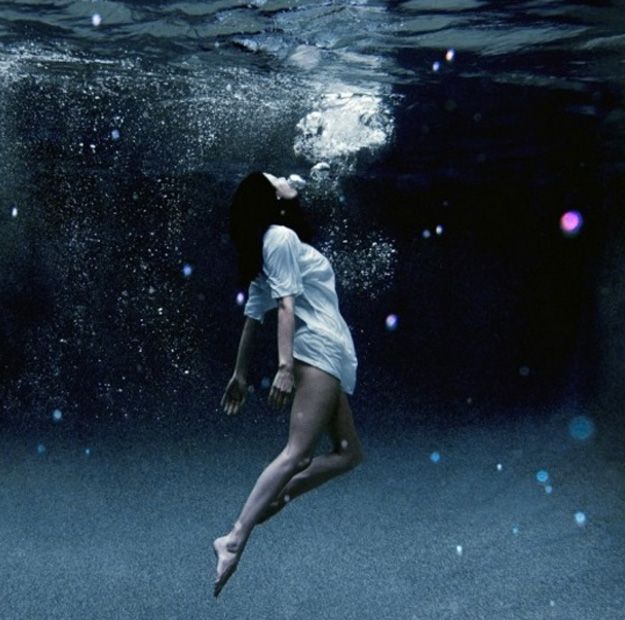
In the shadow of our bustling, interconnected world, there exists a hidden realm of suffering, a place where the cries for help are often muffled and unheard. This is the world of female victims, a term that encompasses a wide range of experiences, from domestic violence and sexual assault to human trafficking and emotional abuse. These women are the bearers of silent screams, their voices suppressed by fear, stigma, and societal norms that have, for too long, silenced their pain.

The Prevalence of Silent Suffering

Statistics paint a grim picture of the reality faced by women around the globe. According to the World Health Organization, one in three women worldwide will experience either physical or sexual intimate partner violence in their lifetime. This staggering figure does not even account for the countless cases that go unreported, hidden by the veil of silence that often shrouds these issues.

The reasons behind this silence are complex and multifaceted. Many women fear retaliation from their abusers, while others are trapped by economic dependence or social pressures that glorify the family unit at the expense of individual well-being. Cultural norms and traditions in some societies further exacerbate the problem, placing the burden of shame on the victim rather than the perpetrator.

Breaking the Silence

Breaking the silence is the first step towards healing and empowerment for female victims. This process can be incredibly challenging, requiring not only courage but also access to support systems that can provide safety, legal assistance, and emotional support. Organizations and movements dedicated to women’s rights have played a pivotal role in creating platforms where these silent screams can be heard.

The #MeToo movement, for example, has been instrumental in bringing the issue of sexual harassment and assault into the public discourse, encouraging women to share their stories and find strength in solidarity. Similarly, shelters and hotlines for victims of domestic violence offer a lifeline to those trapped in abusive situations, providing them with the resources they need to rebuild their lives.

The Role of Society

Society has a critical role to play in addressing the hidden world of female victims. Education and awareness campaigns can challenge the stereotypes and misconceptions that perpetuate violence against women, while legal reforms can ensure that perpetrators are held accountable for their actions. It is also essential to support and fund organizations that work directly with victims, providing them with the necessary resources to heal and thrive.

Moreover, it is crucial to foster a culture of empathy and understanding, where victims feel safe to speak out without fear of judgment or retribution. This requires a collective effort to shift societal attitudes towards one of zero tolerance for violence against women.

Conclusion

The hidden world of female victims is a testament to the resilience of the human spirit in the face of unimaginable adversity. While the path to healing and justice is long and fraught with challenges, the journey begins with breaking the silence and acknowledging the pain that has been too long ignored. By standing together in support of these women, we can turn their silent screams into a powerful chorus for change, one that resonates with the promise of a world where every woman’s voice is heard and valued.