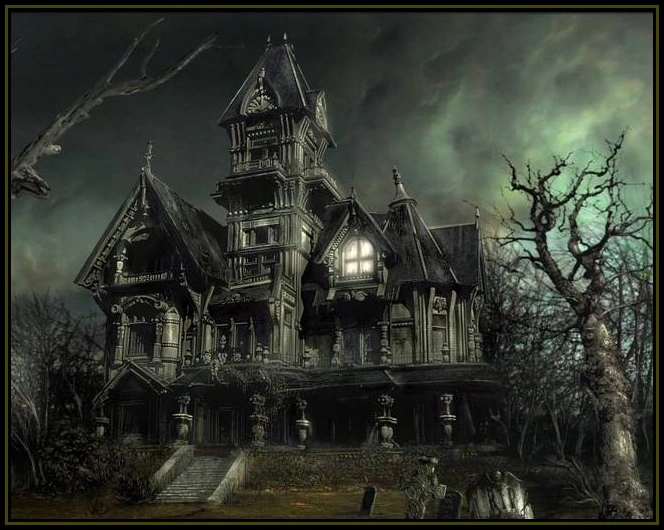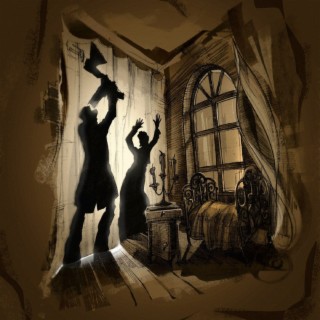
oneli.org – In the flickering gaslight of Victorian England, a world of stark contrasts unfolded. On one side lay the bustling streets of commerce and industry, the beating heart of the Empire on which the sun never set. On the other, the shadowy underbelly of society, where crime and punishment played out in the dimly lit corners of the rapidly expanding cities. This era, marked by its strict moral codes and burgeoning technological advancements, also saw a dark side that has fascinated historians and writers alike. “Gaslight Shadows: The Dark World of Victorian Crime and Punishment” delves into this complex and often grim reality, shedding light on a period that was as much defined by its shadows as by its brilliance.
The Victorian era, spanning the reign of Queen Victoria from 1837 to 1901, was a time of profound change. The Industrial Revolution transformed the landscape, drawing people in droves from the countryside to the cities in search of work. This urbanization, however, brought with it a host of social problems, including overcrowding, poverty, and crime. The streets of London, in particular, became a battleground between the forces of law and order and the criminal underworld.
Crime in Victorian England was rampant, ranging from petty theft and pickpocketing to more serious offenses like burglary, murder, and even terrorism. The era was notorious for its public executions, which were seen as a form of entertainment and a deterrent against crime. However, the spectacle of these hangings often had the opposite effect, turning criminals into folk heroes and further sensationalizing the dark allure of the underworld.
The police force, as we know it today, was in its infancy during this period. The Metropolitan Police Act of 1829 established the first modern police force in London, known as “Bobbies” after their founder, Sir Robert Peel. These officers were tasked with maintaining order and enforcing the law in a society that was rapidly outgrowing its traditional methods of control. The introduction of the police was met with suspicion and hostility, but over time, they became an integral part of the urban landscape, embodying the struggle between civilization and chaos.
Punishment in the Victorian era was severe and often brutal. The justice system was quick to sentence offenders to transportation, imprisonment, or even death. The workhouse, a place of confinement for the destitute, was feared for its harsh conditions and was often seen as a fate worse than death. The prison system, too, was designed to instill fear and discipline, with notorious institutions like Newgate and Pentonville serving as symbols of the state’s power to punish.
The era also saw the rise of detective fiction, with authors like Charles Dickens and Arthur Conan Doyle capturing the public’s imagination with tales of crime and detection. These stories, set against the backdrop of gaslit streets and foggy nights, reflected the fascination with the criminal mind and the quest for justice. The detective, a new hero for the modern age, represented the hope that reason and science could illuminate the darkest corners of society.
“Gaslight Shadows: The Dark World of Victorian Crime and Punishment” is not just a historical account; it is a journey into the heart of a society grappling with the consequences of its own progress. It explores the tension between the desire for order and the reality of human fallibility, between the light of civilization and the shadows that inevitably follow. Through the lens of crime and punishment, we see the complexities of Victorian life, the struggles of the working class, and the enduring human spirit in the face of adversity.
As we delve into the gaslight shadows, we are reminded that the past is not so distant from the present. The challenges faced by Victorian society—inequality, crime, and the search for justice—remain relevant today. The era’s legacy is a testament to the enduring fascination with the darker aspects of human nature and the ongoing quest to understand and overcome them.