Innovations in Flight: The Future of Aviation

oneli.org – The aviation industry has always been at the forefront of technological innovation, constantly pushing the boundaries of what is possible in the skies. As we look to the future, a plethora of advancements are on the horizon, promising to revolutionize the way we travel, the efficiency of air transport, and the environmental impact of flying. This article explores the most promising innovations in flight that are set to shape the future of aviation.

Electric and Hybrid Aircraft

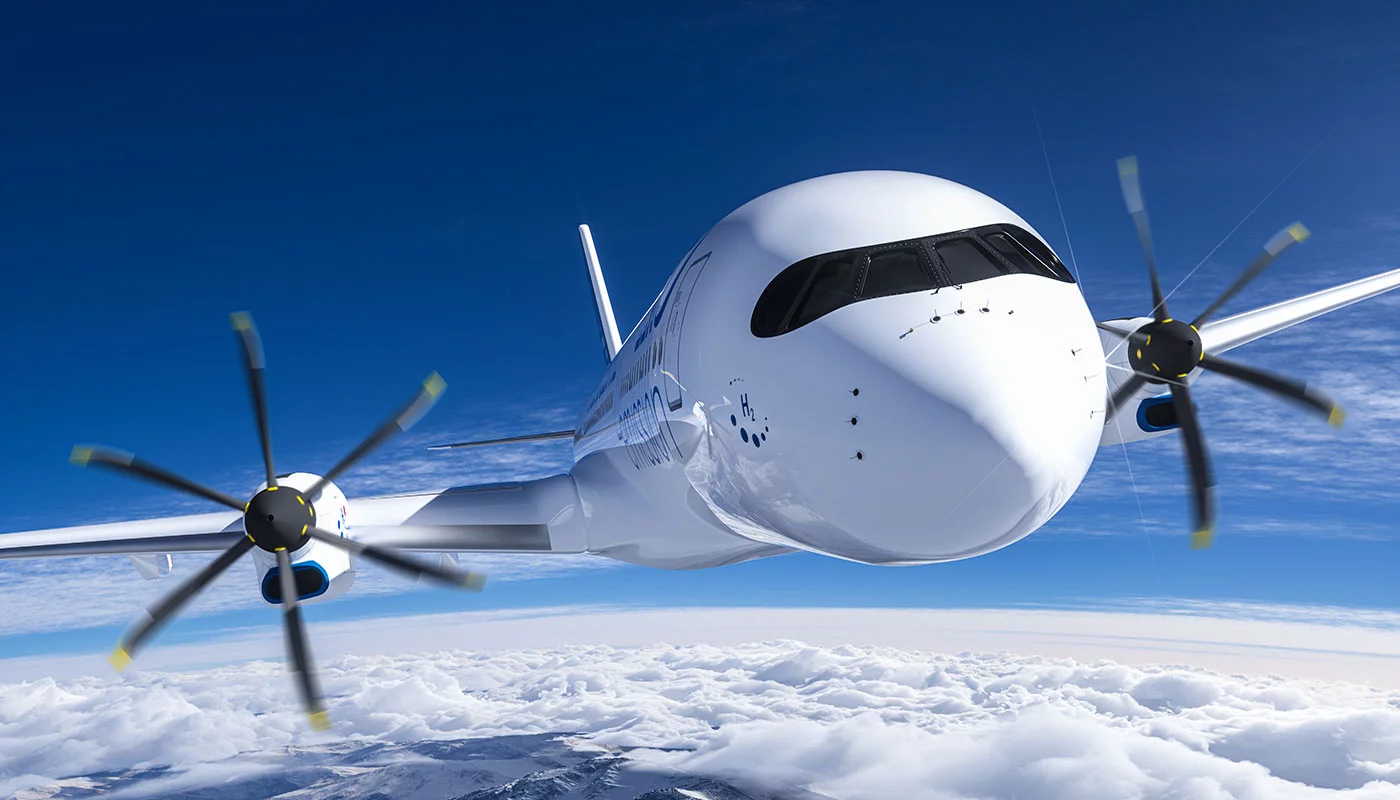
One of the most significant developments in aviation is the shift towards electric and hybrid propulsion systems. These technologies offer the potential for quieter, cleaner, and more sustainable flights. Companies like Wright Electric and Zunum Aero are working on electric planes that could enter service in the next decade, initially for short-haul flights. Hybrid aircraft, which combine electric motors with traditional jet engines or turboprops, are also being developed by companies like Airbus and Rolls-Royce, aiming to reduce fuel consumption and emissions.

Autonomous Flight

Autonomous technology is another area of rapid development in aviation. Drones have already begun to transform various sectors, from package delivery to aerial photography. The next step is the introduction of autonomous passenger aircraft. Companies like EHang and Volocopter are developing autonomous air taxis, which could revolutionize urban transportation by providing quick, efficient, and eco-friendly travel options. These vehicles are designed to operate without a pilot, using advanced algorithms and sensors to navigate and avoid obstacles.

Advanced Materials

The use of advanced materials is also set to transform the aviation industry. Composite materials, such as carbon fiber, have been used in aircraft construction for decades, but new materials like graphene and nanotubes offer even greater potential. These materials are stronger and lighter than traditional metals, allowing for more fuel-efficient aircraft with longer ranges. Boeing and Airbus are already incorporating these materials into their latest aircraft designs, and we can expect to see even more widespread use in the future.

Supersonic Travel

Supersonic travel, once the domain of the Concorde, is making a comeback. Companies like Boom Supersonic and Aerion are developing new supersonic aircraft that promise to cut travel times in half. These planes aim to be more efficient and environmentally friendly than their predecessor, using advanced aerodynamics and engine technology to reduce sonic booms and emissions. If successful, supersonic travel could once again become a reality for both passengers and cargo.

Urban Air Mobility

Urban Air Mobility (UAM) is an emerging concept that envisions a network of aerial vehicles providing transportation within and between cities. This includes air taxis, cargo drones, and even autonomous flying cars. The goal is to alleviate traffic congestion and reduce travel times by utilizing the third dimension. UAM is being explored by a range of companies, from startups to established automotive and aviation giants, and it could fundamentally change the way we think about urban transportation.

Conclusion

The future of aviation is bright, with a host of innovations on the horizon that promise to make flying faster, cleaner, and more accessible. From electric and hybrid aircraft to autonomous flight and advanced materials, the industry is poised for a transformation. As these technologies mature and regulatory frameworks evolve, we can expect to see a new era of aviation that not only meets the growing demand for air travel but also addresses the environmental challenges of the past. The sky is no longer the limit; it is the beginning of a new frontier in flight.

The Future of Factory Work: Assembly Lines and Automation

oneli.org – The industrial revolution brought about a significant transformation in the way goods were produced, with the assembly line becoming a cornerstone of modern manufacturing. Since Henry Ford’s groundbreaking implementation of the moving assembly line in 1913, this concept has evolved, adapting to new technologies and processes. Today, automation and robotics are reshaping the factory floor, promising a future where efficiency, precision, and productivity reach new heights. This article explores the evolution of assembly lines, the impact of automation, and the implications for the future of factory work.

The Evolution of Assembly Lines:

The assembly line was a revolutionary concept that divided the production process into smaller, more manageable tasks. This allowed workers to specialize and perform repetitive actions with greater speed and accuracy. The result was a dramatic increase in productivity and a reduction in the cost of production. Over the years, assembly lines have become more sophisticated, incorporating conveyor belts, automated machinery, and computer-controlled systems to further streamline operations.

The Rise of Automation:

Automation refers to the use of control systems, such as computers or robots, to operate equipment. In the context of assembly lines, automation can range from simple tasks like screwing in a bolt to complex operations involving the handling and assembly of intricate parts. Robots, in particular, have become integral to modern manufacturing, offering several advantages over human labor, including the ability to work continuously without fatigue, perform dangerous tasks, and achieve high levels of precision.

The Impact on Factory Work:

The integration of automation into assembly lines has profound implications for factory work. On one hand, it has led to a decline in the need for certain types of manual labor, raising concerns about job displacement. On the other hand, it has created new opportunities for skilled workers who can operate, maintain, and program automated systems. Moreover, automation has the potential to improve working conditions by reducing the physical strain associated with repetitive tasks.

The Future of Factory Work:

As technology continues to advance, the future of factory work will likely involve a greater degree of automation. This does not necessarily mean the end of human labor in factories but rather a shift towards a collaborative model where humans and robots work side by side. Humans will be responsible for tasks that require creativity, decision-making, and complex problem-solving, while robots will handle routine and physically demanding jobs.

To prepare for this future, it is essential for workers to acquire new skills in areas such as robotics, programming, and data analysis. Education and training programs will play a crucial role in equipping the workforce with the competencies needed to thrive in an automated environment.

Moreover, manufacturers will need to invest in advanced technologies and systems that can integrate seamlessly with human workers. This includes developing intuitive interfaces, ensuring safety protocols, and creating flexible automation solutions that can adapt to changing production needs.

Assembly lines and automation are at the forefront of the manufacturing industry’s evolution. While the transition to a more automated future may present challenges, it also offers exciting possibilities for innovation, efficiency, and growth. By embracing these changes and preparing the workforce for the new realities of factory work, we can ensure a prosperous and productive future for manufacturing. The key lies in striking a balance between human ingenuity and machine capability, harnessing the strengths of both to drive progress and create value.