oneli.org – Android and iOS are the two most popular smartphone operating systems (OS) in the world, each with its own unique features, ecosystem, and approach to mobile computing. Here’s a comparison of the two:
Android:
- Platform Openness: Android is an open-source platform, which means that manufacturers can customize the OS to fit their hardware and user experience. This leads to a wide variety of devices across different price ranges and features.
- Customization: Android offers extensive customization options. Users can change the look and feel of their device with different launchers, widgets, and themes.
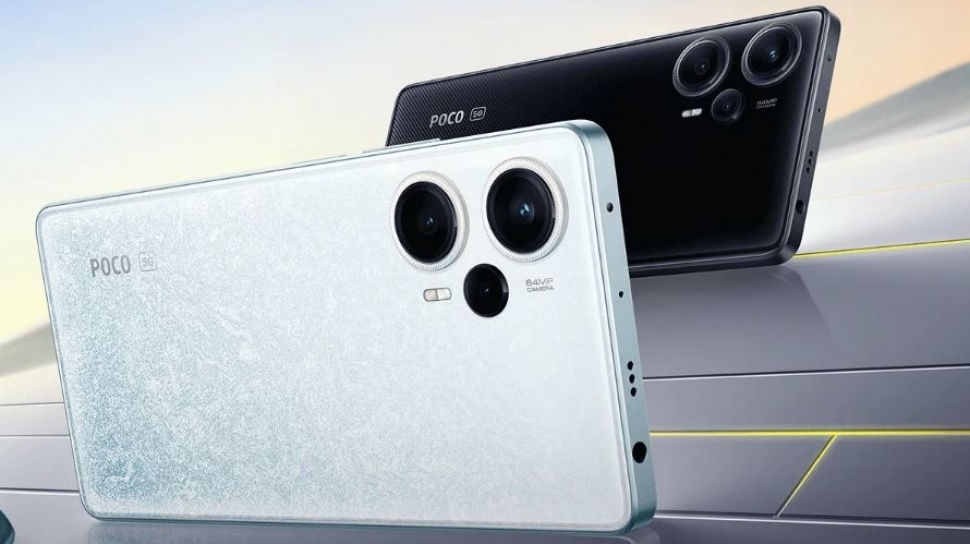
- Hardware Variety: Since Android is used by multiple manufacturers, there is a vast selection of devices with different screen sizes, hardware specifications, and price points.
- Google Play Store: Android devices use the Google Play Store for app distribution. While it has a large number of apps, the quality and security can vary due to less stringent app review processes compared to Apple’s App Store.
- Integration with Google Services: Android integrates seamlessly with Google’s suite of services, such as Gmail, Google Maps, Google Drive, and Google Assistant.
- Hardware and Software Updates: Android updates are controlled by both Google and device manufacturers, which can lead to delays in updates reaching all devices. The frequency and availability of updates can vary significantly between different models and manufacturers.
iOS (iPhone Operating System):
- Platform Control: iOS is a closed-source platform developed by Apple exclusively for its iPhone, iPad, and iPod Touch devices. This allows for tight control over the user experience and ecosystem.
- Uniformity: iOS devices have a more uniform look and feel, both in terms of hardware design and software interface. This consistency is a result of Apple’s control over both the hardware and software.
- App Store: The Apple App Store is known for its strict app review process, which is designed to ensure higher quality and security standards for apps.
- Integration with Apple Ecosystem: iOS is designed to work seamlessly with other Apple products and services, such as iCloud, iMessage, FaceTime, and Siri. This integration is a key advantage for users who are already invested in the Apple ecosystem.
- Software Updates: Apple controls the entire update process for iOS, ensuring that updates are available to all supported devices at the same time. This often results in quicker and more consistent updates compared to Android.
- Privacy and Security: Apple has positioned iOS as a leader in privacy and security, with features like Face ID, Touch ID, and regular security updates. Apple’s App Store review process also helps to prevent malicious apps from reaching users.
Conclusion:
The choice between Android and iOS often comes down to personal preference, specific needs, and the ecosystem in which a user is already invested. Android offers more customization and a wider range of hardware choices, while iOS provides a more uniform and controlled experience with strong integration within the Apple ecosystem. Both platforms continue to evolve, with each new version adding features and improvements to stay competitive in the market.