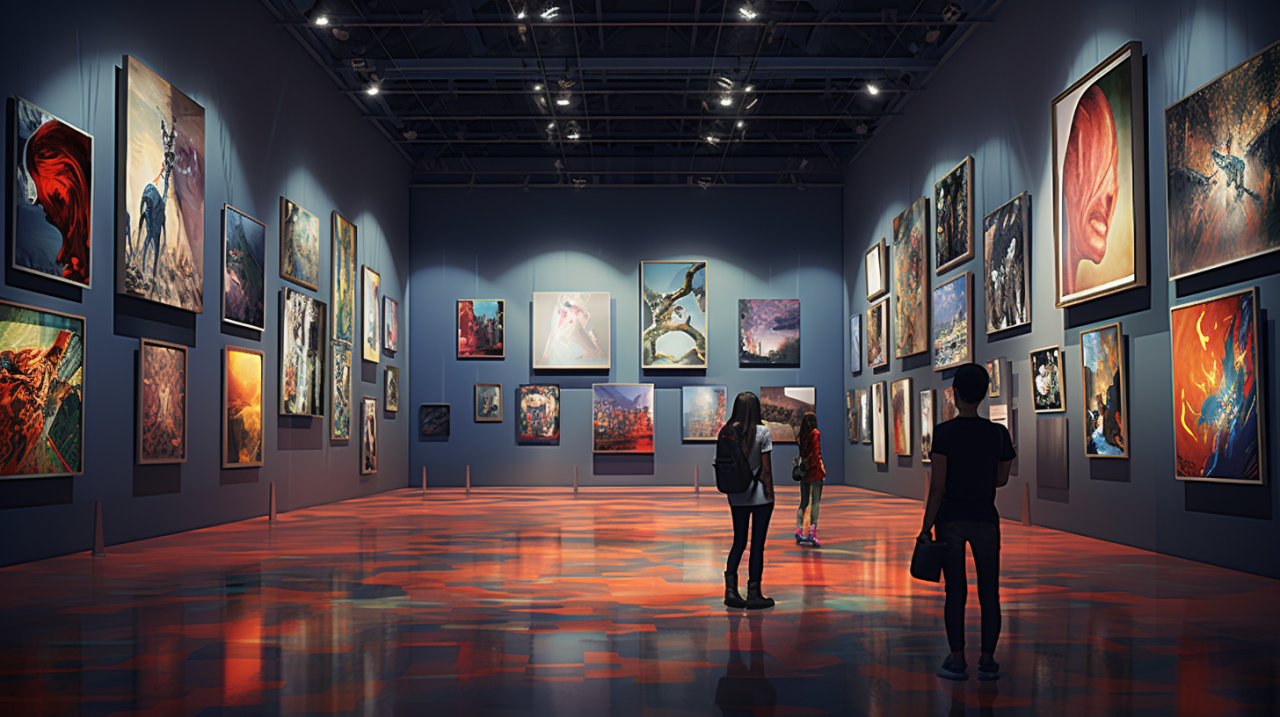
Cultural Canvas: History, Art, and Recreation in Museums

In the heart of every city, town, or even village, there lies a sanctuary where the past and present converge, where art and history intertwine, and where recreation meets education. This sanctuary is the museum, a cultural canvas that paints a vivid picture of human creativity, societal evolution, and the relentless march of time. Museums are not just repositories of artifacts and artworks; they are living entities that breathe life into the stories of civilizations, igniting the imagination and fostering a deeper understanding of our collective heritage.

Art: The Palette of Human Expression

Art is the language of the soul, and museums are its greatest orators. From the awe-inspiring frescoes of the Renaissance to the thought-provoking installations of the modern era, art museums house a spectrum of human emotions and experiences. These institutions are not just about preserving the masterpieces of the past; they are about fostering the artists of the future. Through exhibitions, workshops, and educational programs, art museums encourage dialogue, inspire creativity, and challenge perceptions. They are arenas where the public can engage with art on a personal level, making the abstract tangible and the unfamiliar relatable.

History: The Narrative of Progress

History museums are time machines that transport visitors to different eras, allowing them to walk in the footsteps of their ancestors. These institutions are the keepers of our collective memory, preserving artifacts, documents, and stories that illuminate the path of human development. From the remnants of ancient civilizations to the relics of recent conflicts, history museums offer a narrative of progress, struggle, and resilience. They remind us of our origins, the challenges we have overcome, and the lessons we must never forget. Through interactive exhibits and immersive experiences, history museums make the past come alive, ensuring that it remains a relevant and powerful influence on the present.

Recreation: The Joy of Discovery

Museums are not just about serious study and solemn contemplation; they are also about fun and recreation. Many institutions have embraced the role of community hubs, offering a variety of activities that cater to all ages and interests. From family-friendly workshops and interactive exhibits to evening events and live performances, museums provide a space for people to come together, learn, and enjoy themselves. These recreational activities not only make museums more accessible to a broader audience but also foster a lifelong love of learning and exploration.

The Role of Museums in the Modern World

In an era of digital distraction and fast-paced living, museums stand as beacons of reflection and connection. They remind us of the importance of our cultural heritage and the power of art and history to inspire and transform. By continuously evolving to meet the needs and interests of their communities, museums remain relevant and vital in the modern world. They are not just places to visit; they are experiences to be had, stories to be heard, and lessons to be learned.

As we step into the galleries and halls of these cultural canvases, we are invited to embark on a journey through time and imagination. Museums offer us a chance to pause, reflect, and appreciate the rich tapestry of human achievement. They are more than just buildings filled with objects; they are portals to understanding our past, engaging with our present, and envisioning our future. In the end, museums are not just about preserving history and art; they are about creating meaningful experiences that enrich our lives and connect us to the world around us.

Icons Who Shaped Football History: Legends of the Game

Football, or soccer as it’s known in some parts of the world, is more than just a sport; it’s a global phenomenon that transcends cultural, linguistic, and geographical boundaries. Throughout its history, the beautiful game has been graced by legends whose skills, achievements, and personalities have left an indelible mark on the sport. These icons have not only shaped football history but have also inspired generations of players and fans alike. In this article, we will pay tribute to some of these legendary figures who have become synonymous with the game itself.

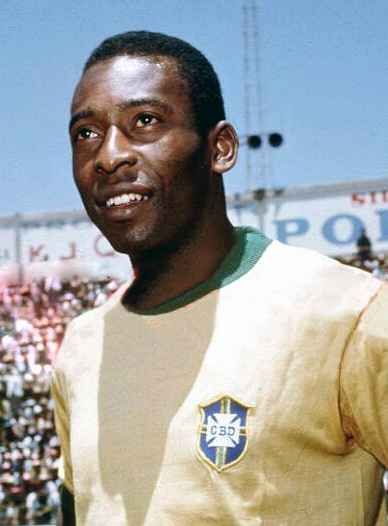
Pelé

Pelé - Wikipedia

When discussing football legends, the name Pelé inevitably comes to the forefront. The Brazilian forward, whose real name is Edson Arantes do Nascimento, is widely regarded as one of the greatest footballers of all time. Pelé’s career, which spanned from the late 1950s to the early 1970s, was marked by an unparalleled scoring record, incredible dribbling ability, and an innate understanding of the game. He led Brazil to three FIFA World Cup victories (1958, 1962, and 1970) and scored a total of 1,283 goals in 1,363 games, a record that stood for many years.

Diego Maradona

Diego Maradona for Argentina in the 1986 World Cup final - Photographic  print for sale

Diego Maradona, the Argentine maestro, was a player of immense talent and charisma. His career, which peaked in the 1980s, was filled with moments of genius, none more so than the “Hand of God” goal and the “Goal of the Century” against England in the 1986 World Cup. Maradona’s ability to control the game, combined with his flair and passion, made him a hero in his homeland and a legend of the sport.

Johann Cruyff

Johan Cruijff - IMDb

Johann Cruyff, the Dutch maestro, was not only a phenomenal player but also a footballing philosopher. His career, which included spells at Ajax, Barcelona, and the Dutch national team, was characterized by his innovative “Total Football” approach. Cruyff’s vision of the game, where players were versatile and could take on multiple positions, revolutionized football tactics and influenced generations of coaches and players.

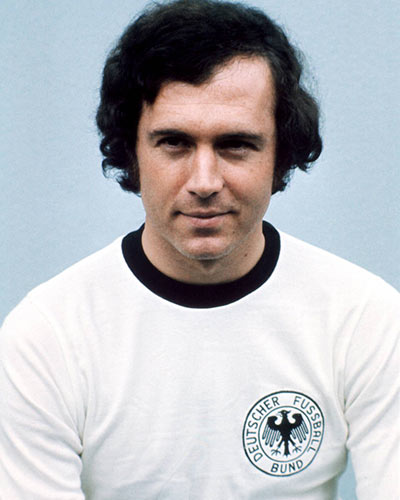
Franz Beckenbauer

Franz Beckenbauer

Franz Beckenbauer, the German legend, was known as “Der Kaiser” for his imperial control of the game. As a central defender, he redefined the role by pushing forward and dictating play from the back. Beckenbauer led Germany to World Cup glory as a player in 1974 and as a manager in 1990, cementing his status as one of the game’s great leaders.

Zinédine Zidane

Zinedine Zidane - Football Makes History

Zinédine Zidane, the French maestro, was a midfielder of rare elegance and skill. His career, which included spells at Juventus and Real Madrid, was highlighted by his performances in the 1998 World Cup, where he scored two goals in the final to lead France to victory on home soil. Zidane’s ability to control the tempo of the game and produce moments of magic made him one of the most revered players of his generation.

Lionel Messi and Cristiano Ronaldo

Messi–Ronaldo rivalry - Wikipedia

In the modern era, Lionel Messi and Cristiano Ronaldo have dominated the football landscape like no other players before them. Messi, with his incredible dribbling, vision, and goal-scoring ability, has been the heartbeat of Barcelona for over a decade. Ronaldo, known for his athleticism, work ethic, and clinical finishing, has excelled at both Manchester United and Real Madrid. Their rivalry, which has seen them win multiple Ballon d’Or awards, has pushed each other to new heights and set new standards for what is expected from a footballer.

These legends, among others, have not only achieved individual accolades but have also inspired their teams to greatness. Their contributions to the sport have left a lasting legacy, influencing the way football is played and enjoyed around the world. They have shown that while football is a team sport, individual brilliance can often be the difference between success and failure.

As the game continues to evolve, these legends of the game will forever be remembered as the icons who shaped football history. Their stories, achievements, and lessons will continue to inspire future generations of players and fans, ensuring that the beautiful game remains a source of joy, passion, and inspiration for years to come.