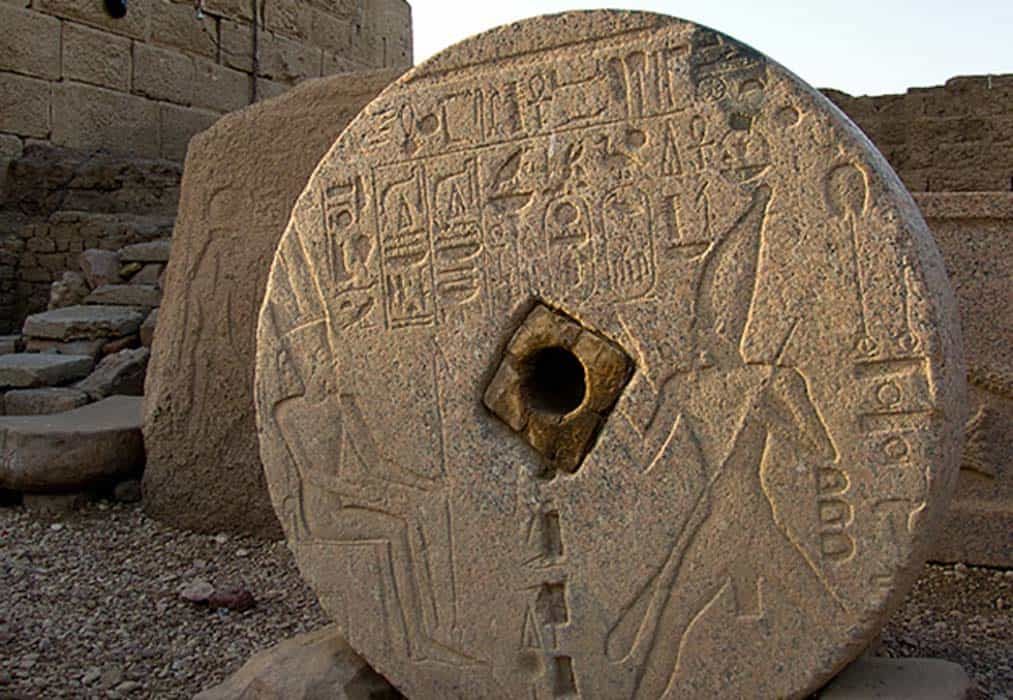
Unveiling the Secrets of the Ancients: Whispers of the Mystic Arts

oneli.org – In the quiet corners of the world, where the modern and the ancient intersect, the whispers of the mystic arts can still be heard. These whispers carry the secrets of the ancients, the wisdom of ages, and the power of the unseen. They speak of a realm where magic and reality blend, where the boundaries between the physical and the spiritual blur, and where the seeker can find enlightenment, healing, and transformation.

The Origins of Mystic Arts

The mystic arts have their roots in the dawn of human civilization, emerging from the depths of our ancestors’ quest for understanding the mysteries of the universe. From the shamans of old to the mystics of the medieval ages, the practitioners of these arts have sought to bridge the gap between the human and the divine, the known and the unknown.

The Path of the Seeker

To embark on the path of the mystic arts is to commit oneself to a journey of self-discovery and spiritual awakening. It is a path that requires patience, dedication, and an open heart and mind. The seeker must be willing to look beyond the veil of the material world and listen to the whispers that echo through the corridors of time.

The Practice of Mysticism

The practice of mysticism encompasses a wide range of disciplines, including meditation, divination, alchemy, and the study of sacred texts. Each of these practices offers a unique gateway to the mystic realm, allowing the practitioner to explore the depths of their consciousness and the mysteries of the cosmos.

The Power of Transformation

The mystic arts hold the power to transform not only the individual but also the world around them. Through the mastery of these arts, one can heal, inspire, and create change on a profound level. The transformation that occurs is not just personal but can ripple out into the collective consciousness, bringing light to the darkness and hope to the despairing.

The Ethical Dimension

The practice of the mystic arts is not without its ethical considerations. The power that these arts wield must be used responsibly and with great care. The practitioner must always be mindful of the impact of their actions on themselves and others, and they must strive to use their abilities for the greater good.

The Legacy of the Mystics

The legacy of the mystics is one of wisdom, compassion, and courage. They have left us a rich tapestry of knowledge and experience, a map for those who wish to navigate the uncharted territories of the soul. Their whispers continue to guide us, offering solace, insight, and the promise of enlightenment.

Conclusion

The whispers of the mystic arts are a call to those who are willing to listen, a call to awaken to the wonders that lie beyond the veil of the ordinary. They are a reminder that there is more to this world than meets the eye, and that within each of us lies the potential to tap into the ancient wisdom that has guided humanity since time immemorial. As we heed these whispers and embark on our own mystical journey, we too can become part of the legacy of the mystics, weavers of magic, and seekers of the eternal truths.
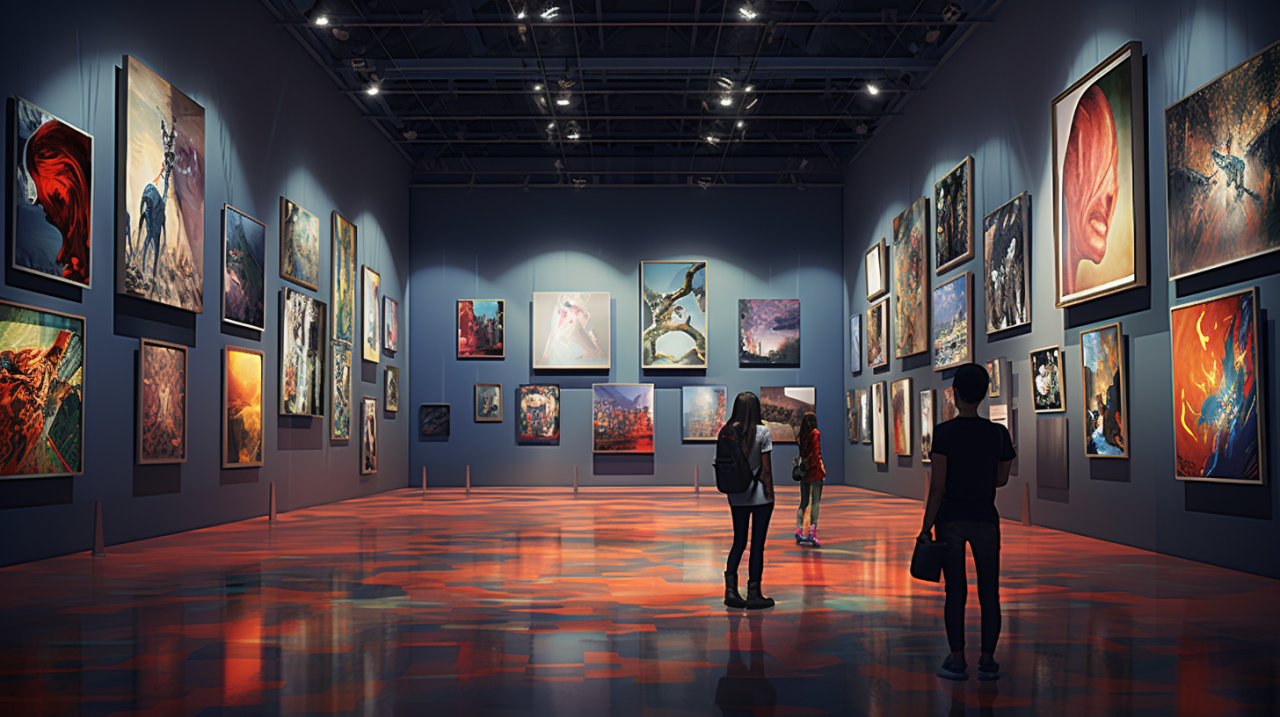
Cultural Canvas: History, Art, and Recreation in Museums

In the heart of every city, town, or even village, there lies a sanctuary where the past and present converge, where art and history intertwine, and where recreation meets education. This sanctuary is the museum, a cultural canvas that paints a vivid picture of human creativity, societal evolution, and the relentless march of time. Museums are not just repositories of artifacts and artworks; they are living entities that breathe life into the stories of civilizations, igniting the imagination and fostering a deeper understanding of our collective heritage.

Art: The Palette of Human Expression

Art is the language of the soul, and museums are its greatest orators. From the awe-inspiring frescoes of the Renaissance to the thought-provoking installations of the modern era, art museums house a spectrum of human emotions and experiences. These institutions are not just about preserving the masterpieces of the past; they are about fostering the artists of the future. Through exhibitions, workshops, and educational programs, art museums encourage dialogue, inspire creativity, and challenge perceptions. They are arenas where the public can engage with art on a personal level, making the abstract tangible and the unfamiliar relatable.

History: The Narrative of Progress

History museums are time machines that transport visitors to different eras, allowing them to walk in the footsteps of their ancestors. These institutions are the keepers of our collective memory, preserving artifacts, documents, and stories that illuminate the path of human development. From the remnants of ancient civilizations to the relics of recent conflicts, history museums offer a narrative of progress, struggle, and resilience. They remind us of our origins, the challenges we have overcome, and the lessons we must never forget. Through interactive exhibits and immersive experiences, history museums make the past come alive, ensuring that it remains a relevant and powerful influence on the present.

Recreation: The Joy of Discovery

Museums are not just about serious study and solemn contemplation; they are also about fun and recreation. Many institutions have embraced the role of community hubs, offering a variety of activities that cater to all ages and interests. From family-friendly workshops and interactive exhibits to evening events and live performances, museums provide a space for people to come together, learn, and enjoy themselves. These recreational activities not only make museums more accessible to a broader audience but also foster a lifelong love of learning and exploration.

The Role of Museums in the Modern World

In an era of digital distraction and fast-paced living, museums stand as beacons of reflection and connection. They remind us of the importance of our cultural heritage and the power of art and history to inspire and transform. By continuously evolving to meet the needs and interests of their communities, museums remain relevant and vital in the modern world. They are not just places to visit; they are experiences to be had, stories to be heard, and lessons to be learned.

As we step into the galleries and halls of these cultural canvases, we are invited to embark on a journey through time and imagination. Museums offer us a chance to pause, reflect, and appreciate the rich tapestry of human achievement. They are more than just buildings filled with objects; they are portals to understanding our past, engaging with our present, and envisioning our future. In the end, museums are not just about preserving history and art; they are about creating meaningful experiences that enrich our lives and connect us to the world around us.