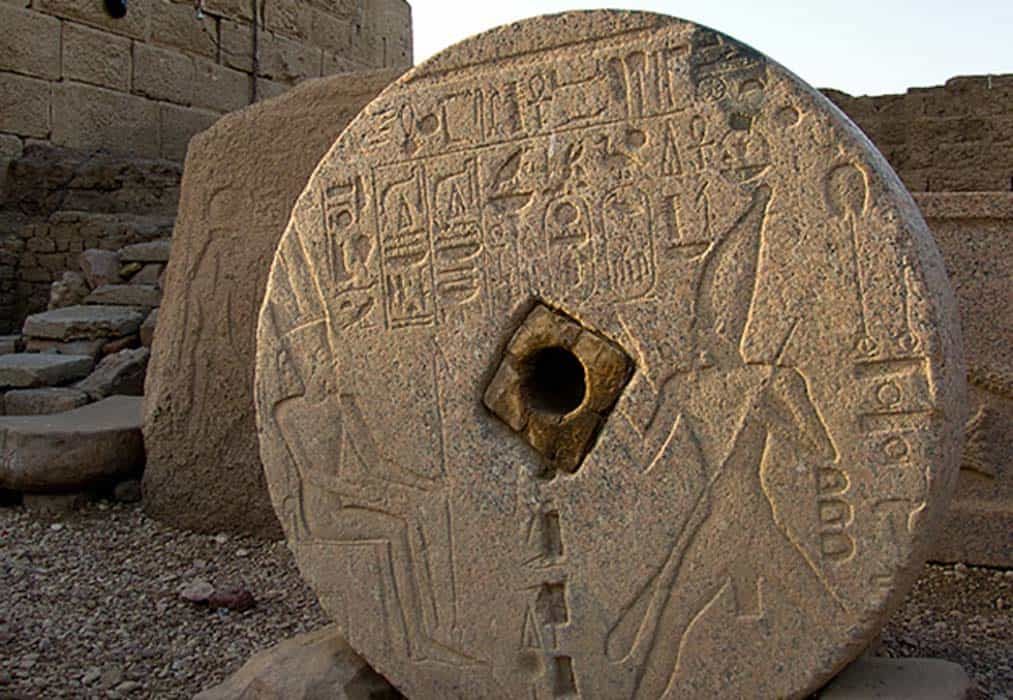
Unveiling the Secrets of the Ancients: Whispers of the Mystic Arts

oneli.org – In the quiet corners of the world, where the modern and the ancient intersect, the whispers of the mystic arts can still be heard. These whispers carry the secrets of the ancients, the wisdom of ages, and the power of the unseen. They speak of a realm where magic and reality blend, where the boundaries between the physical and the spiritual blur, and where the seeker can find enlightenment, healing, and transformation.

The Origins of Mystic Arts

The mystic arts have their roots in the dawn of human civilization, emerging from the depths of our ancestors’ quest for understanding the mysteries of the universe. From the shamans of old to the mystics of the medieval ages, the practitioners of these arts have sought to bridge the gap between the human and the divine, the known and the unknown.

The Path of the Seeker

To embark on the path of the mystic arts is to commit oneself to a journey of self-discovery and spiritual awakening. It is a path that requires patience, dedication, and an open heart and mind. The seeker must be willing to look beyond the veil of the material world and listen to the whispers that echo through the corridors of time.

The Practice of Mysticism

The practice of mysticism encompasses a wide range of disciplines, including meditation, divination, alchemy, and the study of sacred texts. Each of these practices offers a unique gateway to the mystic realm, allowing the practitioner to explore the depths of their consciousness and the mysteries of the cosmos.

The Power of Transformation

The mystic arts hold the power to transform not only the individual but also the world around them. Through the mastery of these arts, one can heal, inspire, and create change on a profound level. The transformation that occurs is not just personal but can ripple out into the collective consciousness, bringing light to the darkness and hope to the despairing.

The Ethical Dimension

The practice of the mystic arts is not without its ethical considerations. The power that these arts wield must be used responsibly and with great care. The practitioner must always be mindful of the impact of their actions on themselves and others, and they must strive to use their abilities for the greater good.

The Legacy of the Mystics

The legacy of the mystics is one of wisdom, compassion, and courage. They have left us a rich tapestry of knowledge and experience, a map for those who wish to navigate the uncharted territories of the soul. Their whispers continue to guide us, offering solace, insight, and the promise of enlightenment.

Conclusion

The whispers of the mystic arts are a call to those who are willing to listen, a call to awaken to the wonders that lie beyond the veil of the ordinary. They are a reminder that there is more to this world than meets the eye, and that within each of us lies the potential to tap into the ancient wisdom that has guided humanity since time immemorial. As we heed these whispers and embark on our own mystical journey, we too can become part of the legacy of the mystics, weavers of magic, and seekers of the eternal truths.
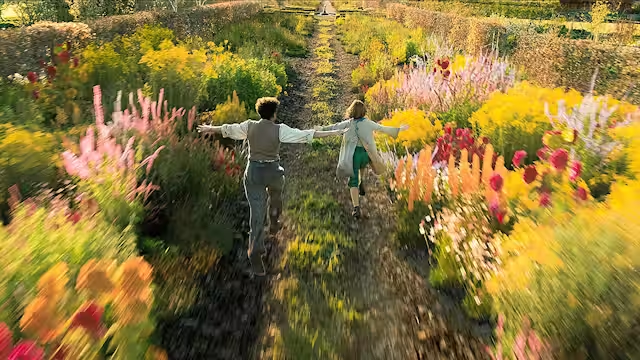
Unveiling the Science of Blooms: The Secret Life of Flowers

Flowers, with their vibrant colors, delicate petals, and intoxicating fragrances, have long been symbols of beauty and romance. But beyond their aesthetic appeal, flowers are complex organisms that play a crucial role in the ecosystem. The science behind these blooms is as intricate as their petals, revealing a secret life that is both fascinating and essential to life on Earth.

The Language of Flowers

Flowers communicate in a language that is not spoken but rather sensed. Their colors, shapes, and scents are not just random attributes but are evolved strategies to attract pollinators. Red flowers, for instance, are often pollinated by birds, while blue and purple flowers attract bees. The shape of the flower can also dictate which pollinator it prefers; long, tubular flowers are adapted for birds with long beaks, while flat flowers are more accessible to bees and butterflies.

The Pollination Process

Pollination is the process by which pollen is transferred from the male anthers to the female stigma of a flower, leading to fertilization and the production of seeds. This process is vital for the reproduction of flowering plants and is often facilitated by pollinators such as bees, butterflies, birds, and bats. The intricate relationship between flowers and their pollinators is a dance of survival, with each species evolving to ensure the success of the other.

The Role of Scent

The scent of flowers is not just pleasing to the human nose; it is a powerful lure for pollinators. Different scents attract different animals. For example, the sweet fragrance of roses attracts bees, while the pungent smell of some flowers attracts flies and beetles. Some flowers even produce scents that mimic the pheromones of insects, tricking them into visiting the flower in search of a mate.

The Science of Color

The colors of flowers are not just for show; they are a critical part of a plant’s survival strategy. Flowers use color to signal to pollinators that they have nectar or pollen to offer. The pigments that give flowers their colors are called anthocyanins, which can change color based on the acidity of the soil and the availability of nutrients. This adaptability ensures that flowers can thrive in a variety of environments.

The Secret World of Floral Timing

Flowers have an internal clock that tells them when to bloom. This timing is crucial for ensuring that pollinators are available when the flowers are ready to be pollinated. Some flowers bloom at night to attract moths and bats, while others open their petals in the morning to catch the attention of bees and butterflies. This synchronization between flowers and their pollinators is a testament to the intricate balance of nature.

The Importance of Flowers to Ecosystems

Flowers are not just pretty faces in the natural world; they are keystone species that support entire ecosystems. By providing food and habitat for pollinators, flowers help maintain biodiversity. They also play a critical role in the food chain, providing nectar and pollen that feed countless species. Additionally, many medicines and foods are derived from flowering plants, highlighting their importance to human survival.

Conclusion

The secret life of flowers is a world of beauty, strategy, and survival. From the intricate dance of pollination to the strategic use of color and scent, flowers have evolved sophisticated mechanisms to ensure their survival and reproduction. As we continue to uncover the mysteries of these blooms, we gain a deeper appreciation for their role in the ecosystem and their importance to life on Earth. The next time you admire a flower, take a moment to consider the complex life hidden within its petals.